

Elder Law, Estate Planning & Administration
Protecting Your Family, Your Assets and Your Future
Abrams Fensterman’s Elder Law, Estate Planning & Administration attorneys help New York seniors, individuals, families and caregivers protect assets, prepare wills and trusts, plan for long-term care, navigate Medicaid, establish decision-making authority and administer estates. Led from the firm’s Lake Success office by Partner Moriah Adamo, the team provides coordinated guidance for both advance planning and urgent family needs.
How Can Our Elder Law and Estate Planning Attorneys Help Your Family?
Our team helps seniors, individuals, families and caregivers protect assets, document their wishes and prepare for future healthcare and long-term-care needs. We provide personalized guidance for estate planning, Medicaid, trusts, probate, estate administration, special needs planning and guardianships – including both proactive planning and urgent family situations.
What Services Does Our Elder Law, Estate Planning & Administration Department Provide?
Our attorneys assist clients with:
- Estate and estate-tax planning
- Wills and trusts
- Powers of Attorney
- Health Care Proxies and advance directives
- Medicaid planning, applications and appeals
- Asset-protection strategies
- Long-term-care planning and insurance appeals
- Probate and estate administration
- Trust administration
- Fiduciary representation
- Contested estates and will disputes
- Special and supplemental needs trusts
- Guardianships
Each strategy is tailored to the client’s finances, family circumstances, care needs and long-term objectives.
When Should You Begin Estate and Long-Term-Care Planning?
Planning should begin before a medical, financial or family crisis occurs. Early planning generally provides more options for protecting assets, establishing decision-making authority, preparing for care expenses and documenting personal wishes.
An estate plan should also be reviewed after major changes such as marriage, divorce, retirement, relocation, a significant change in assets, the death of a fiduciary or beneficiary, or a new medical diagnosis. Families facing an immediate care need may still have options and should seek guidance promptly.
How Do Estate Planning, Medicaid and Guardianship Work Together?
Medicaid planning addresses eligibility for benefits that may help pay for long-term care. Guardianship may become necessary when an individual cannot adequately manage personal or financial matters and existing legal documents do not provide sufficient authority.
Coordinating these areas helps families avoid conflicting strategies. For example, the terms of a trust or Power of Attorney can significantly affect future asset-protection, Medicaid and guardianship options.
Who Leads Abrams Fensterman’s Elder Law and Estate Planning Team?
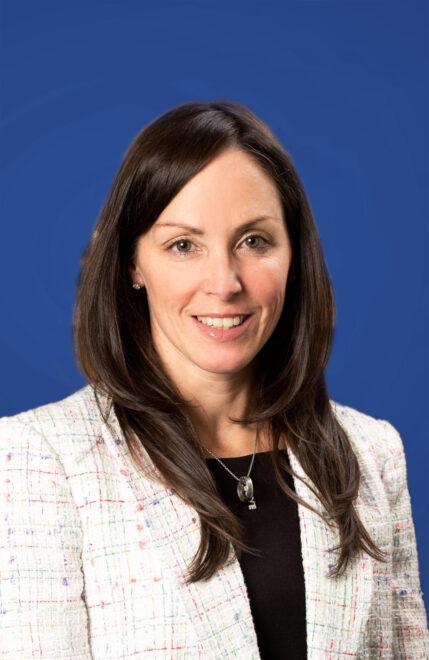
Partner Moriah Adamo leads Abrams Fensterman’s Elder Law, Estate Planning & Administration Department from the firm’s Lake Success office. She advises clients concerning estate planning, Medicaid, asset protection, guardianships and estate administration.
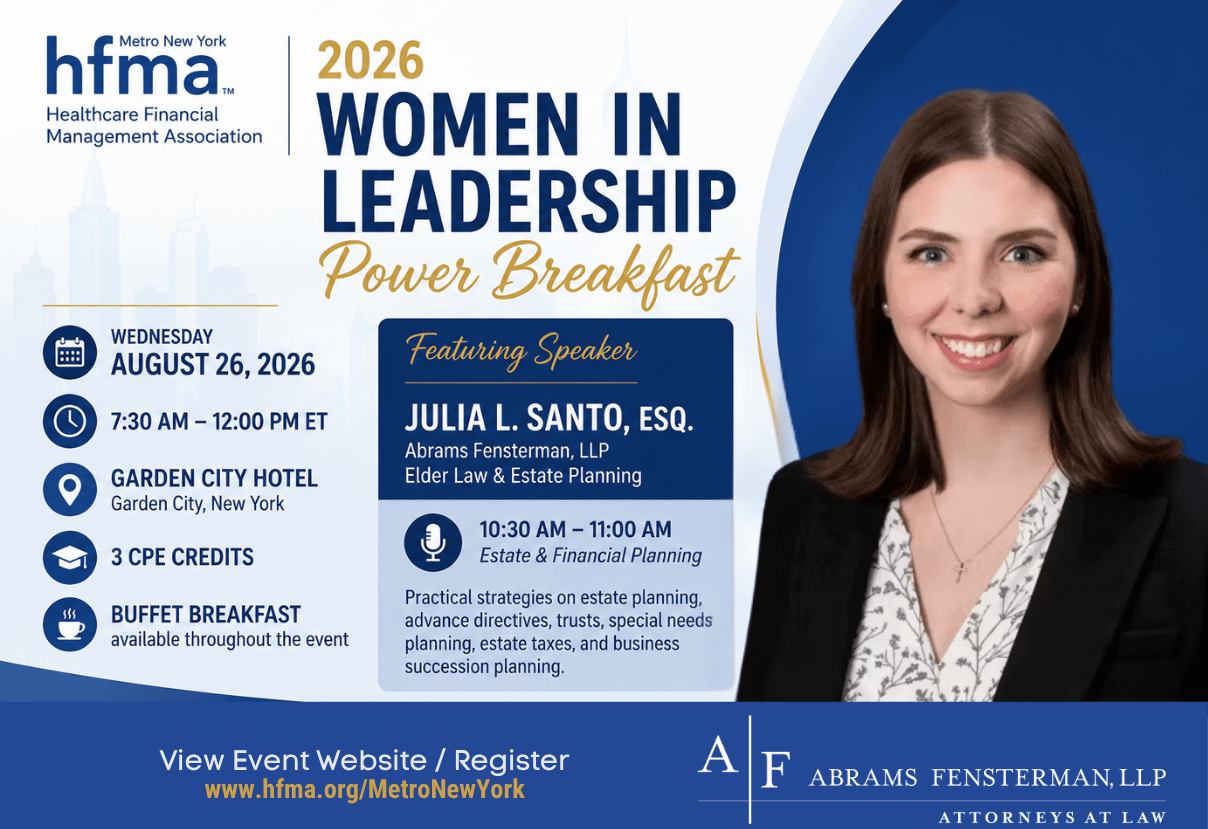
Moriah also has extensive experience handling contested estates, Medicaid appeals, fair hearings and Article 78 proceedings. She works alongside attorneys including Julia L. Santo and Co-Founding Partner Robert “Bob” Abrams to provide families with experienced and compassionate guidance.
What Elder Law and Estate Planning Topics Can You Explore?
Estate Planning
Learn about wills, advance directives, beneficiary planning and strategies for protecting your family.
Trusts & Estates
Explore revocable trusts, irrevocable trusts, trust planning and fiduciary responsibilities.
Estate Probate & Administration
Understand probate, administration, executor responsibilities and contested estate proceedings.
Medicaid Planning & AppealsLearn about eligibility planning, applications, care reductions, fair hearings and Article 78 proceedings.
Special Needs Planning
Learn how families can preserve benefits and provide long-term support for loved ones with disabilities.
Guardianships
Explore Article 81, Article 17-A and alternatives for supporting personal and financial decisions.
Elder Law and Estate Planning Resources
Explore timely information, educational programs and practical guidance from Abrams Fensterman’s Elder Law, Estate Planning & Administration attorneys.

Why Choose a Full-Service New York Law Firm?
Elder law and estate planning matters frequently intersect with healthcare, mental health, taxation, real estate, business ownership, family law and litigation. As a full-service New York law firm, Abrams Fensterman can coordinate guidance across these disciplines.
This collaborative approach is especially valuable when a family owns a business or significant real estate, faces a contested estate, needs assistance for a loved one with mental illness or must resolve multiple legal and care-related issues simultaneously.
Frequently Asked Questions
What does an elder law attorney do?
An elder law attorney helps older adults and their families address legal and financial issues involving long-term care, Medicaid eligibility, asset protection, guardianship, healthcare decision-making, estate planning and estate administration.
When should I begin estate planning?
Estate planning should begin once you have assets, dependents, healthcare preferences or individuals you want to authorize to make decisions on your behalf. Plans should also be reviewed following major life changes, including marriage, divorce, retirement, illness, the birth of a child or grandchild, or a significant financial change.
What documents should an estate plan include?
An estate plan may include a will, one or more trusts, a power of attorney, healthcare proxy, living will and beneficiary designations. The appropriate documents depend on your assets, family circumstances, tax considerations and long-term objectives.
What is Medicaid planning?
Medicaid planning involves legally organizing finances and assets to prepare for the cost of long-term care while meeting Medicaid’s eligibility requirements. Because eligibility rules are complex and timing can significantly affect available options, early planning is generally beneficial.
Can I protect my home if I need nursing-home care?
Depending on the circumstances, legal planning strategies may help protect a home and other assets while maintaining or preparing for Medicaid eligibility. The options available depend on ownership, transfers, family circumstances, timing and applicable Medicaid rules.
What is the difference between a revocable and irrevocable trust?
A revocable trust can generally be changed or revoked by its creator during their lifetime. An irrevocable trust usually involves giving up certain ownership or control rights and may be used for asset protection, tax planning or benefit-eligibility purposes.
When is a guardianship necessary?
A guardianship may be necessary when an individual cannot adequately manage personal or financial affairs and has not established sufficient advance directives. A court determines whether the individual is incapacitated and what authority, if any, should be granted to a guardian.
What happens if someone dies without a will in New York?
When someone dies without a valid will, New York’s intestacy laws determine who inherits the estate. The court appoints an administrator to collect assets, address valid obligations and distribute the remaining property according to those laws.
How can an attorney help with estate administration?
An estate administration attorney can help executors, administrators and trustees understand their responsibilities, complete court filings, identify and value assets, address creditor claims, resolve disputes and distribute property properly.
How can families plan after an Alzheimer’s or dementia diagnosis?
Planning may involve reviewing or preparing estate documents, establishing decision-making authority, evaluating asset-protection strategies, assessing Medicaid eligibility and preparing for future care. Available options may depend on the diagnosed individual’s legal capacity, making prompt legal guidance especially important.
The Strength of a Full-Service Law Firm
Planning for the future may involve more than a will, trust or Medicaid application. Families can encounter related issues involving healthcare, mental health, real estate, taxation, litigation and business ownership.
As a full-service New York law firm, Abrams Fensterman offers coordinated legal guidance across these disciplines. This collaborative approach enables our attorneys to address both immediate concerns and the broader legal issues affecting a client’s family, property and future.
Speak With Our Elder Law and Estate Planning Team
Whether you are planning ahead, caring for an aging loved one, preparing for long-term care, administering an estate or confronting an urgent legal issue, our attorneys are ready to help.
BEST PRACTICES. BEST RESULTS.