
![]() |
Published April 23, 2026 Author: Robert A. Spolzino, Esq. Executive Partner at Abrams Fensterman, LLP Former Justice of the New York State Supreme Court |
APPEALS IN NEW YORK AT A GLANCE
An appeal is a legal process in which a higher court reviews a trial court decision for legal errors that may have affected the outcome. In New York, appeals are heard primarily by the Appellate Division of the Supreme Court, with federal matters heard by the U.S. Court of Appeals for the Second Circuit. Appeals focus on the existing trial record and written legal arguments rather than new evidence or testimony.
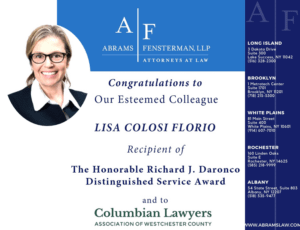
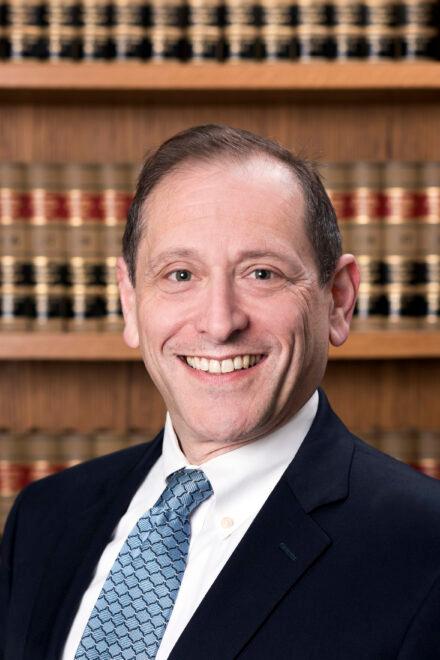
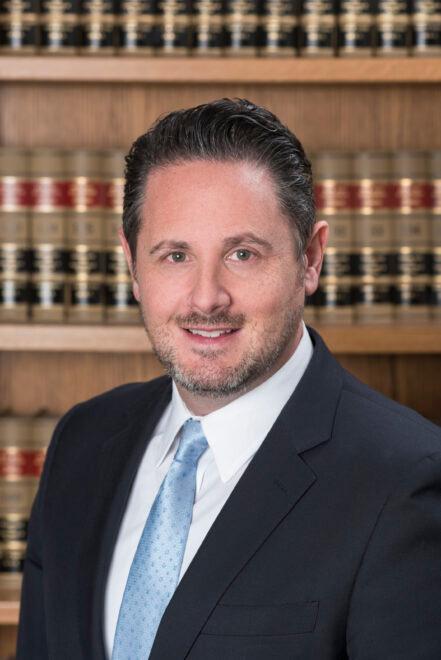
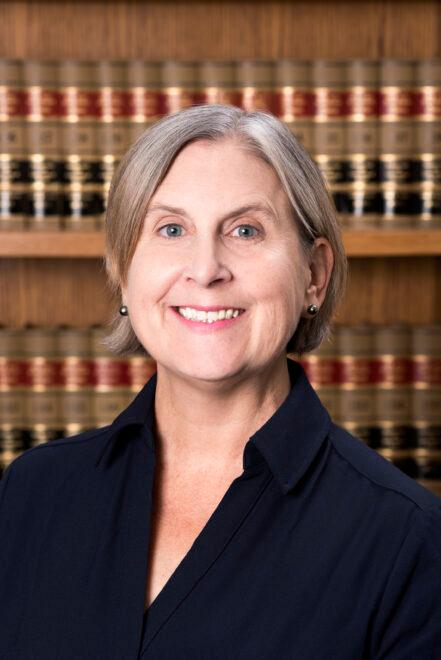
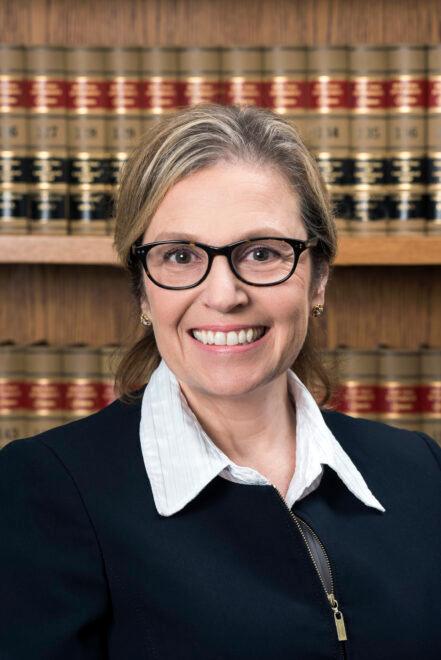
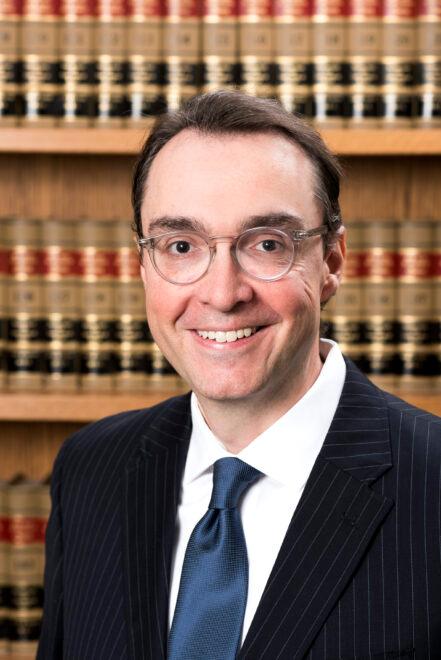
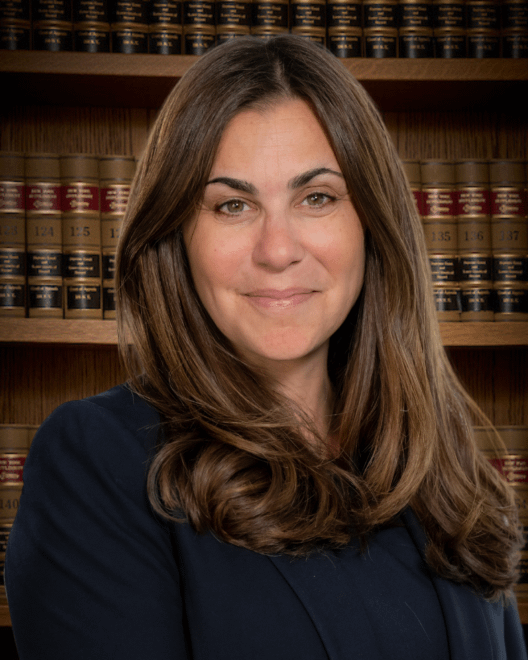
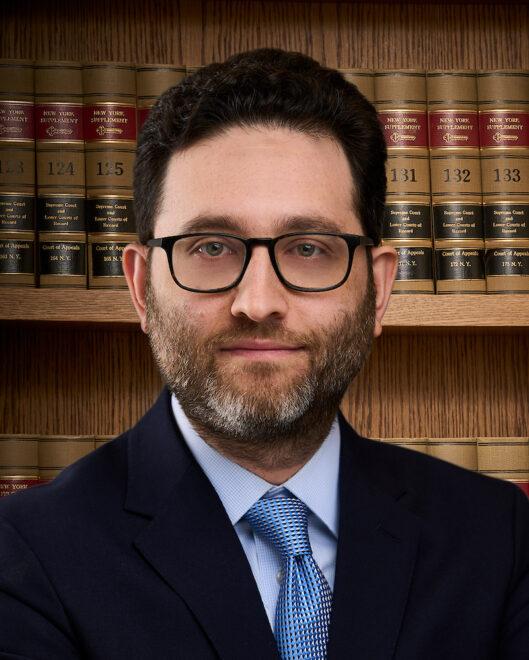
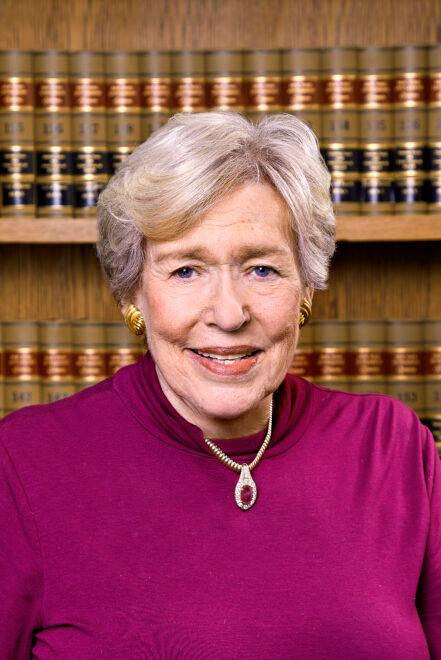
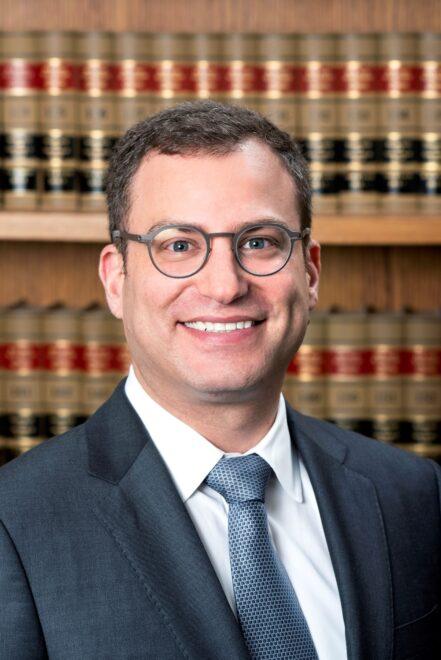
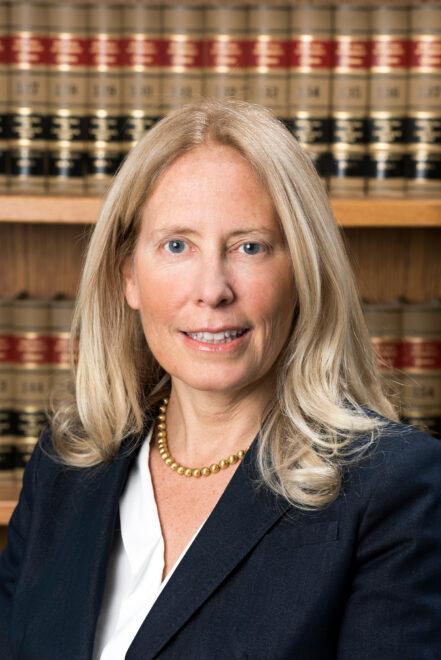
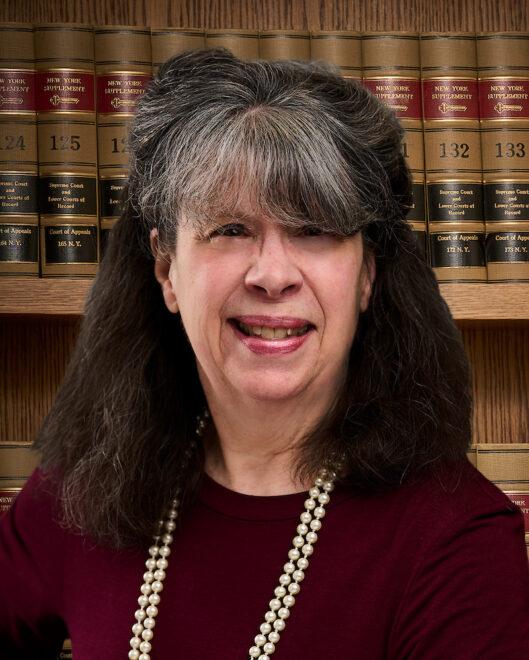
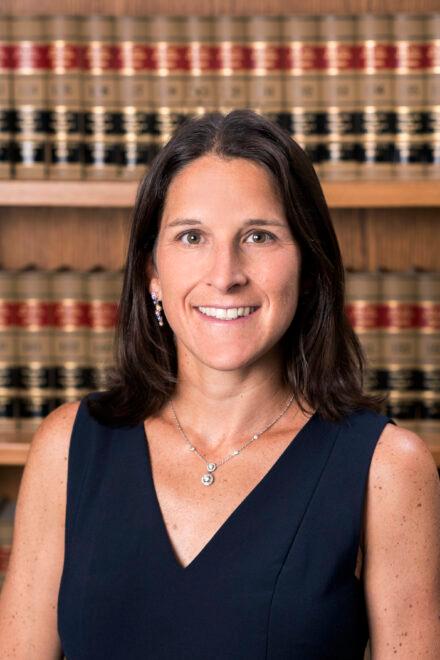
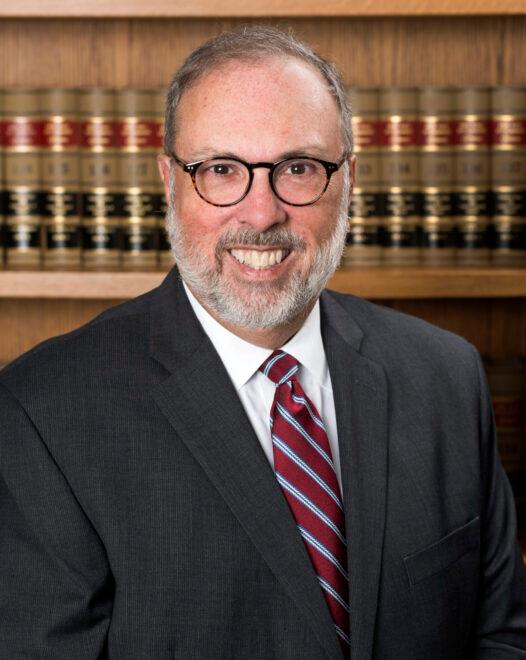
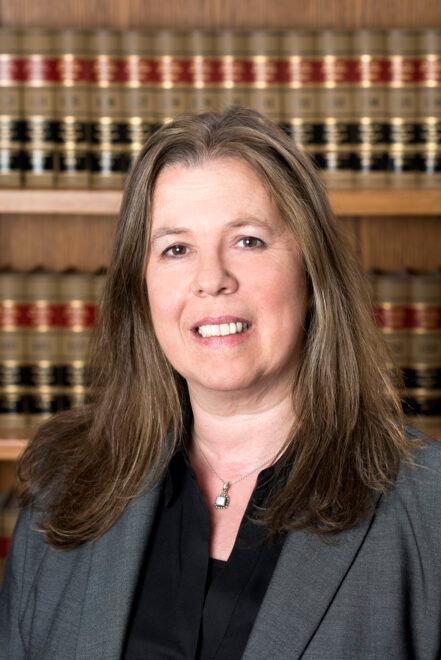
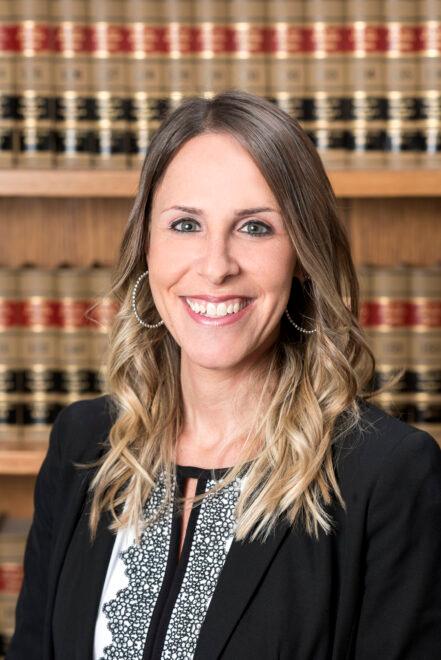
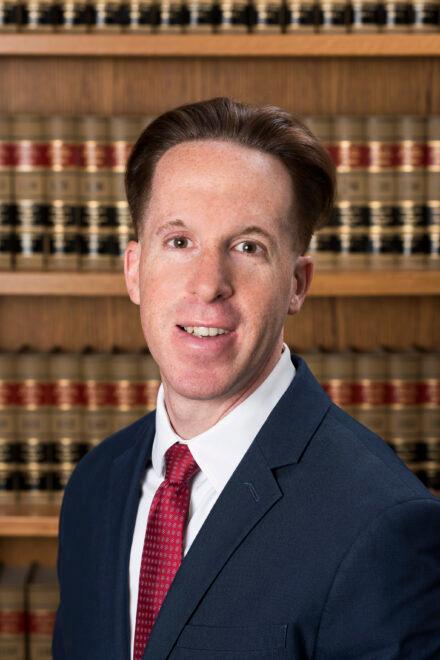
Abrams Fensterman provides appellate representation in New York led by former Appellate Division Justices Robert A. Spolzino and Jeffrey A. Cohen, who collectively participated in deciding more than 10,000 appeals during their judicial tenure. They work with Lisa Colosi Florio, former Counsel to the Chief Judge of the State of New York.
Common grounds for appeal include misapplication of the law, improper admission or exclusion of evidence, procedural violations, and judicial errors that affected the fairness of the proceedings. Appeals must be based on identifiable legal errors, not dissatisfaction with the outcome.
TYPES OF APPEALS
Appeals can arise in several legal contexts, each with distinct rules and standards. Civil appeals involve disputes between individuals or businesses. Criminal appeals challenge convictions or sentencing decisions. Federal appeals address issues involving federal law or constitutional questions. Some cases may also involve interlocutory appeals before a final judgment is issued.
Each type of appeal requires a tailored legal strategy based on the court, the issues involved, and the applicable standards of review.
HOW THE APPEALS PROCESS WORKS
The appellate process follows a structured sequence governed by strict procedural rules and deadlines. It begins with filing a notice of appeal, followed by compiling the trial record. Attorneys then prepare detailed written briefs presenting legal arguments. In some cases, oral argument is held before appellate judges. The process concludes with a written decision from the court.
The appellate process typically follows five stages:
1. File a notice of appeal within the applicable deadline.
2. Compile the trial record for review.
3. Prepare and file written legal briefs.
4. Present oral argument before appellate judges (in some cases).
5. Receive a written decision affirming, reversing, modifying, or remanding the case.
Each stage requires precision, strong legal writing, and a deep understanding of how appellate courts evaluate arguments.
For specific details, visit How the Appeals Process Works.
GROUNDS FOR APPEAL
Appeals must be based on identifiable legal errors, not simply dissatisfaction with the outcome. Common grounds include misapplication of the law, improper admission or exclusion of evidence, procedural violations, or judicial errors that affected the fairness of the proceedings.
Identifying and framing these issues effectively is central to building a strong appellate argument.
APPELLATE EXPERIENCE AND ADVANTAGE
Success on appeal depends upon the facts, the law, and how well your attorneys understand the appellate process and how appellate judges make decisions. At Abrams Fensterman, we cannot change the facts, but we know the law, and no one has more experience in or a deeper understanding of the appellate courts in New York.
The firm’s appellate practice is led by former Appellate Division Justices Robert Spolzino and Jeffrey Cohen, both of whom served on the Appellate Division of the New York State Supreme Court. During their judicial tenure, appellate justices routinely decide hundreds of appeals each year as part of multi-judge panels reviewing lower court decisions across a wide range of legal issues.
Over the course of their time on the bench, Justices Spolzino and Cohen have collectively participated in the decision of more than 10000 appeals. This experience reflects the volume and scope of cases handled at the appellate level in New York and provides a foundation for a deep understanding of how appellate courts analyze legal arguments and reach decisions.
They work alongside Lisa Florio, who previously served as Counsel to the Chief Judge of the State of New York, bringing additional insight into the administration and decision-making processes of the state’s highest courts.
Abrams Fensterman has handled hundreds of appeals in both state and federal courts, including matters before New York appellate courts and federal appellate jurisdictions such as the United States Court of Appeals for the Second Circuit.
This combined judicial and appellate experience provides unmatched insight into how appellate judges evaluate cases, interpret legal standards, and decide outcomes. It allows the firm to develop briefs and arguments that align with how appellate judges think, communicate, and analyze cases within their chambers, translating complex facts and legal principles into compelling arguments that resonate with judges and their staff.
WHY HIRE AN APPELLATE ATTORNEY?
Appellate advocacy is fundamentally different from trial litigation. It requires advanced legal writing, precise issue framing, and a deep understanding of how appellate courts interpret and apply the law.
Abrams Fensterman combines extensive appellate experience with strategic advocacy, allowing the firm to craft arguments that align with judicial reasoning and maximize the likelihood of a successful outcome.
FREQUENTLY ASKED QUESTIONS
What is the purpose of an appeal?
An appeal determines whether legal errors affected the outcome of a trial court decision.
How long does an appeal take?
Appeals may take several months to more than a year, depending on complexity and court schedules.
Can new evidence be introduced in an appeal?
No, appeals are based on the existing trial record and legal arguments.
What happens if an appeal is successful?
The court may reverse the decision, modify it, or return the case for further proceedings.
Do all cases qualify for appeal?
Appeals must be based on specific legal errors rather than disagreement with the outcome.
Contact Our Law Firm
For further information about our appellate practice, please contact our law firm on Long Island at 516-328-2300, in Brooklyn at 718-215-5300, White Plains at 914-607-7010, Rochester at 585-218-9999, or Albany at 518-535-9477 to schedule an initial consultation.