

 |
Published July 23, 2024. Revised: August 18, 2026 Author: Moriah Adamo, Partner at Abrams Fensterman, LLP. 516-328-2300 |
Elder Law, Estate Planning & Administration
Protecting Your Family, Your Assets and Your Future
Abrams Fensterman’s Elder Law, Estate Planning & Administration attorneys help New York seniors, individuals, families and caregivers protect assets, prepare wills and trusts, plan for long-term care, navigate Medicaid, establish decision-making authority and administer estates. Led from the firm’s Lake Success office by Partner Moriah Adamo, the team provides coordinated guidance for both advance planning and urgent family needs.
How Can Our Elder Law and Estate Planning Attorneys Help Your Family?
Our team helps seniors, individuals, families and caregivers protect assets, document their wishes and prepare for future healthcare and long-term-care needs. We provide personalized guidance for estate planning, Medicaid, trusts, probate, estate administration, special needs planning and guardianships – including both proactive planning and urgent family situations.
What Services Does Our Elder Law, Estate Planning & Administration Department Provide?
Our attorneys assist clients with:
- Estate and estate-tax planning
- Wills and trusts
- Powers of Attorney
- Health Care Proxies and advance directives
- Medicaid planning, applications and appeals
- Asset-protection strategies
- Long-term-care planning and insurance appeals
- Probate and estate administration
- Trust administration
- Fiduciary representation
- Contested estates and will disputes
- Special and supplemental needs trusts
- Guardianships
Each strategy is tailored to the client’s finances, family circumstances, care needs and long-term objectives. Early planning generally provides more options for protecting assets, establishing decision-making authority, preparing for care expenses and documenting personal wishes. Families facing an immediate care need may still have options and should seek guidance promptly.
How Do Estate Planning, Medicaid and Guardianship Work Together?
Medicaid planning addresses eligibility for benefits that may help pay for long-term care. Guardianship may become necessary when an individual cannot adequately manage personal or financial matters and existing legal documents do not provide sufficient authority.
Coordinating these areas helps families avoid conflicting strategies. For example, the terms of a trust or Power of Attorney can significantly affect future asset-protection, Medicaid and guardianship options.
Who Leads Abrams Fensterman’s Elder Law and Estate Planning Team?
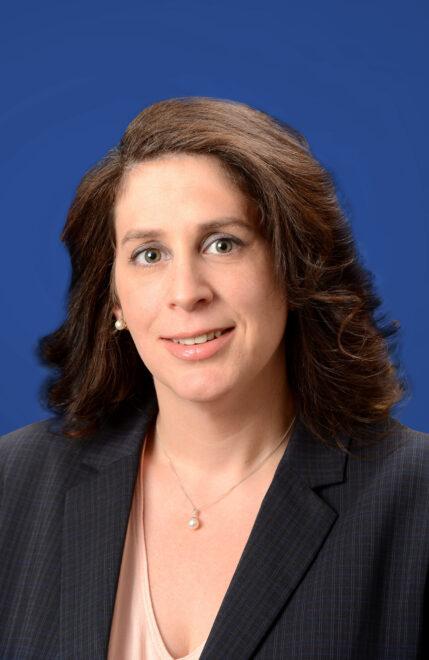
Partner Moriah Adamo leads Abrams Fensterman’s Elder Law, Estate Planning & Administration Department from the firm’s Lake Success office. She advises clients concerning estate planning, Medicaid, asset protection, guardianships and estate administration.
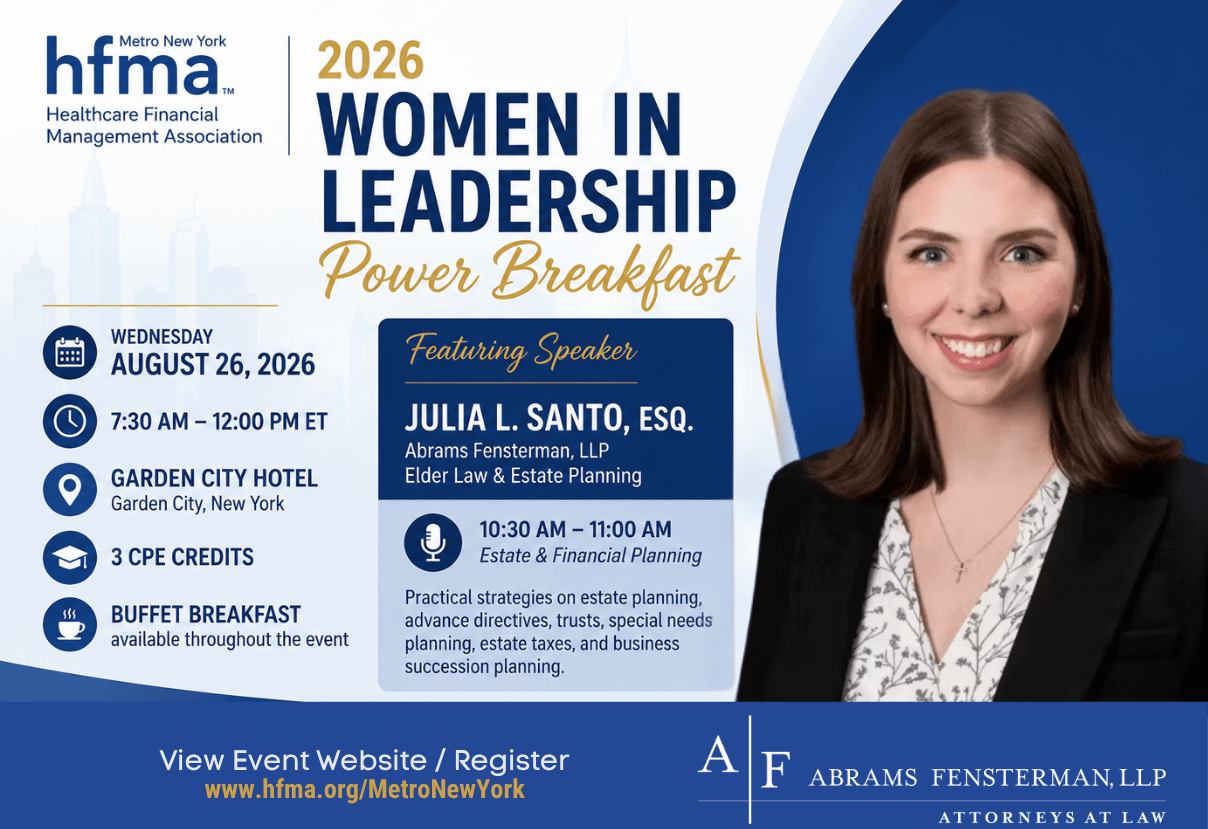
Moriah also has extensive experience handling contested estates, Medicaid appeals, fair hearings and Article 78 proceedings. She works alongside attorneys including Julia L. Santo and Co-Founding Partner Robert “Bob” Abrams to provide families with experienced and compassionate guidance.
What Elder Law and Estate Planning Topics Can You Explore?
Estate Planning
Learn about wills, advance directives, beneficiary planning and strategies for protecting your family.
Elder Law
Learn about long-term care planning, Medicaid, asset protection and legal strategies for seniors and their families.
Trusts & Estates
Explore revocable trusts, irrevocable trusts, trust planning and fiduciary responsibilities.
Estate Probate & Administration
Understand probate, administration, executor responsibilities and contested estate proceedings.
Medicaid Planning & AppealsLearn about eligibility planning, applications, care reductions, fair hearings and Article 78 proceedings.
Special Needs Planning
Learn how families can preserve benefits and provide long-term support for loved ones with disabilities.
Guardianships
Explore Article 81, Article 17-A and alternatives for supporting personal and financial decisions.
Elder Law and Estate Planning Resources
Explore timely information, educational programs and practical guidance from Abrams Fensterman’s Elder Law, Estate Planning & Administration attorneys.
Why Choose a Full-Service New York Law Firm?
Elder law and estate planning matters frequently intersect with healthcare, mental health, taxation, real estate, business ownership, family law and litigation. As a full-service New York law firm, Abrams Fensterman can coordinate guidance across these disciplines.
This collaborative approach is especially valuable when a family owns a business or significant real estate, faces a contested estate, needs assistance for a loved one with mental illness or must resolve multiple legal and care-related issues simultaneously.
Frequently Asked Questions
What does the Elder Law, Estate Planning & Administration Department handle?
The department covers estate planning, trusts, probate and estate administration, Medicaid planning and appeals, special needs planning, guardianship and contested estate matters. Each topic has a dedicated page. This page is the starting point for families who are not yet sure which area applies to their situation.
Who leads Abrams Fensterman’s Elder Law and Estate Planning team?
Partner Moriah Adamo leads the department from the firm’s Lake Success office. She works alongside Executive Partner Robert Abrams, Partner Ellyn S. Kravitz and other attorneys across the firm’s New York offices, drawing on colleagues in related practice groups when a matter requires it.
Which office should I contact, and does location affect how my matter is handled?
The firm maintains offices in Lake Success, Brooklyn, White Plains, Rochester and Albany. Contact whichever is most convenient. Surrogate’s Court proceedings and Medicaid applications are generally handled in the county connected to the individual or the estate, which may differ from the office you visit.
What should I bring to a first meeting?
Useful materials include any existing will, trust, power of attorney or health care proxy; a list of assets showing how each is titled; beneficiary designations; deeds; recent financial statements; long-term-care or life insurance policies; and any correspondence from Medicaid or a managed care plan. A complete picture is more useful than a perfect one.
How do estate planning, Medicaid and guardianship interact?
They constrain one another. The terms of a trust or power of attorney can determine whether asset-protection and Medicaid strategies remain available later, and whether a court proceeding eventually becomes necessary. Planning these areas together avoids strategies that are sound individually but conflict in combination.
When does a matter involve other practice groups at the firm?
Frequently — where an estate includes real property or a closely held business, where a family member has a mental health condition, where a divorce affects a child with disabilities, or where a dispute requires litigation. The firm coordinates with its Real Estate, Corporate, Tax, Mental Health Law, Family Law and Litigation attorneys as needed.
Speak With Our Elder Law and Estate Planning Team
Whether you are planning ahead, caring for an aging loved one, preparing for long-term care, administering an estate or confronting an urgent legal issue, our attorneys are ready to help.
BEST PRACTICES. BEST RESULTS.