

 |
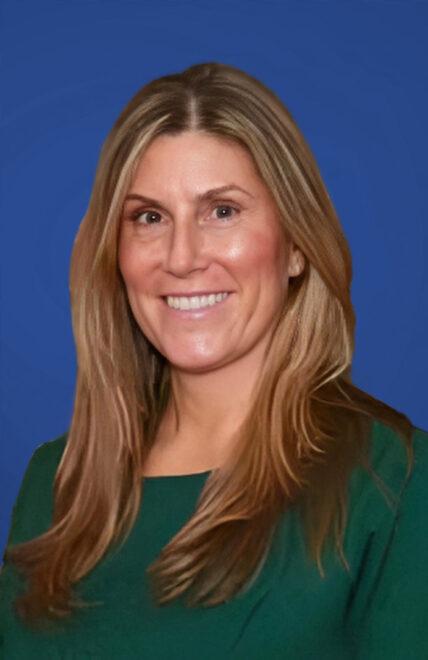
Published August 4, 2023. Revised: August 18, 2026 Author: Moriah Adamo, Partner at Abrams Fensterman, LLP. 516-328-2300 |
Estate Planning
Protect Your Assets, Preserve Your Wishes and Plan With Confidence
Estate planning gives you the opportunity to decide how your financial, personal and healthcare matters should be handled during your lifetime and after your death. A carefully structured plan can protect the people you love, provide trusted individuals with decision-making authority, support business-succession goals and reduce uncertainty during difficult moments.
Abrams Fensterman’s Estate Planning attorneys work closely with individuals and families to develop personalized plans based on their assets, relationships, responsibilities and long-term objectives. Rather than relying on a standard set of documents, we help clients understand their options and select the combination of wills, trusts and advance directives appropriate for their circumstances.
What Should Individuals and Families Know About Estate Planning?
Estate planning is the process of establishing how financial, personal and healthcare matters should be managed during life, during a period of incapacity and after death. A well-designed plan identifies trusted decision-makers, documents personal wishes, directs the transfer of property and can help reduce uncertainty for family members.
A comprehensive estate plan may include:
- A Last Will and Testament
- Revocable or irrevocable trusts
- A Durable Power of Attorney
- A Health Care Proxy and living will
- Coordinated beneficiary designations
- Estate-tax, asset-protection or business-succession planning
- Planning for minor children or loved ones with disabilities
The appropriate documents depend on the client’s assets, family relationships, tax considerations, healthcare preferences and long-term goals. Plans should be reviewed periodically and after major life, financial or medical changes so they continue to reflect the client’s circumstances and wishes.
Last Will and Testament
A Last Will and Testament states how property governed by the will should be distributed after death. It may also nominate an executor to administer the estate, name guardians for minor children and establish testamentary trusts for selected beneficiaries.
Without a valid will, assets governed by New York intestacy law are distributed according to a statutory formula rather than personal preference. A properly prepared will helps document your intentions and provides clearer direction for your family and fiduciaries.
Power of Attorney
A Power of Attorney authorizes one or more trusted agents to handle specified financial and property matters. Depending on the authority granted, an agent may be able to manage banking, pay bills, address real estate matters or conduct other transactions on the principal’s behalf.
The document should be tailored carefully. The individuals selected, the powers granted and the relationship between multiple agents can materially affect how the arrangement functions. Thoughtful planning can also reduce the likelihood that a court-supervised guardianship will later become necessary.
Health Care Proxy and Advance Directives
A Health Care Proxy allows a person to appoint a trusted healthcare agent to make medical decisions when the person is unable to make or communicate those decisions independently. A living will or other written instructions may provide additional guidance concerning treatment preferences.
The Role of Trusts in Estate Planning
Trusts can serve many purposes. Depending on the type of trust and its terms, a trust may provide continuing asset management, protect beneficiaries, support tax or long-term-care planning, preserve privacy and avoid probate for properly transferred assets.
Our attorneys advise clients about revocable trusts, irrevocable trusts, supplemental needs trusts and other structures. Because different trusts produce different legal and financial consequences, the appropriate option depends on the client’s goals and circumstances.
When Should an Estate Plan Be Reviewed?
Estate plans should be reviewed periodically and after significant changes, including:
- Marriage, divorce or remarriage
- Birth or adoption of a child or grandchild
- Death or incapacity of a fiduciary
- Death or incapacity of a beneficiary
- Death or incapacity of an agent
- A substantial change in assets or business interests
- Retirement or relocation
- A new medical diagnosis or anticipated long-term-care need
- Changes in tax, trust or estate law
- A beneficiary developing a disability or receiving needs-based benefits
- At minimum, we suggest reviewing an estate plan every 3 years
An outdated plan can create consequences that no longer reflect the client’s family, finances or intentions.
Coordinated Planning Across Related Legal Needs
Estate planning may overlap with elder law, Medicaid planning, real estate, taxation, business ownership, family law and special needs planning. As a full-service New York law firm, Abrams Fensterman can coordinate advice across these areas when a client’s plan requires broader legal support.
Frequently Asked Questions
Do I need an estate plan if I do not consider myself wealthy?
Yes. Estate planning is not limited to high-net-worth individuals. A plan can identify who will receive property, appoint trusted financial and healthcare decision-makers, nominate guardians for minor children and reduce uncertainty regardless of estate size.
What is the difference between a will and a trust?
A will takes effect after death and generally must be admitted to probate before an executor can administer assets governed by it. A properly created and funded revocable trust may allow trust-owned assets to pass outside probate, provide continuing management and preserve greater privacy.
Who should I appoint under a Power of Attorney?
An agent should be trustworthy, financially responsible and capable of carrying out the responsibilities granted by the document. The right choice depends on family relationships, complexity of assets and the type of authority required.
When does a Health Care Proxy become important?
A Health Care Proxy becomes especially important when an individual cannot make or communicate informed healthcare decisions. It identifies the person authorized to make those decisions and helps avoid uncertainty about who should act.
Can estate planning help reduce taxes?
Depending on the estate and applicable law, trusts, lifetime gifts, charitable planning and other strategies may help manage federal or state estate-tax exposure. The appropriate strategy depends on the client’s assets, objectives and current tax rules.
Related Estate Planning and Elder Law Resources
Speak With an Estate Planning Attorney
Whether you are creating your first estate plan or updating documents prepared years ago, Abrams Fensterman can help you develop a strategy that protects your interests and provides clear direction for the future.
To schedule an initial consultation, please contact us:
Long Island: 516-328-2300
Brooklyn: 718-215-5300
White Plains: 914-607-7010
Rochester: 585-218-9999
Albany: 518-535-9477
Featured Estate Planning Resources
Explore timely information, educational programs and practical guidance from Abrams Fensterman’s Elder Law, Estate Planning & Administration attorneys.