

 |
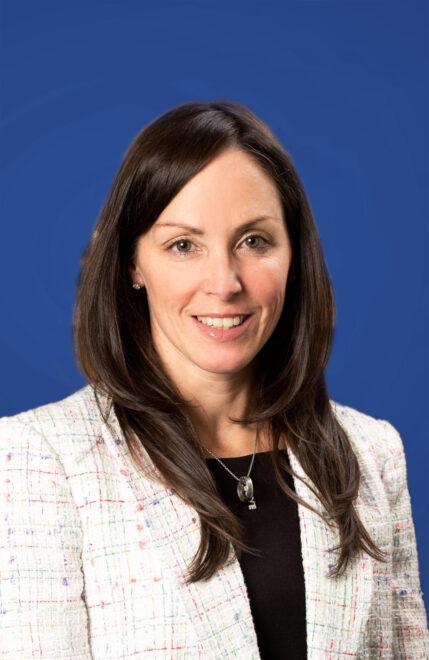
Published April 21, 2026. Revised August 17, 2026. Robert Abrams, Esq, Executive Partner at Abrams Fensterman, LLP. Lifetime Achievement Award from the Elder Law and Special Needs Section of the New York State Bar Association. |
Special Needs Planning Attorneys
Protecting Benefits, Assets and Quality of Life for People With Disabilities
Families caring for a person with a disability or serious mental health condition often face interconnected questions about financial support, government benefits, decision-making authority, housing, healthcare and long-term security.
Abrams Fensterman’s Special Needs Planning attorneys help individuals and families build practical plans that support a loved one without unintentionally disrupting eligibility for needs-based benefits. We advise on supplemental needs trusts, estate planning, trust administration, guardianship and coordination with related legal matters.
What Should Families Know About Special Needs Planning?
Special needs planning coordinates financial resources, government benefits, decision-making authority and long-term care for a person with a disability. A properly designed plan can help families provide meaningful support without unintentionally disrupting eligibility for needs-based programs such as Medicaid or Supplemental Security Income.
A comprehensive special needs plan for a loved one may include:
- A first-party or third-party supplemental needs trust
- Coordinated wills, trusts and beneficiary designations
- Selection and guidance of an appropriate trustee
- Planning for housing, healthcare and long-term support
- Review of Medicaid and Supplemental Security Income considerations
- Guardianship or less-restrictive decision-making alternatives
- Article 17-A and Article 81 guardianship considerations
- Coordination with mental health, family law and elder law counsel
The appropriate strategy depends on who owns the assets, the benefits the individual receives, the individual’s legal capacity and care needs, and the family’s long-term objectives. Because trust distributions and beneficiary designations can affect public benefits, the plan should be carefully drafted, funded and administered.
Supplemental Needs Trusts
A supplemental needs trust, often called an SNT, is designed to hold and manage funds for a person with a disability while supporting continued eligibility for certain needs-based government benefits when properly structured and administered.
Trust funds are generally intended to supplement—not replace—the support provided by public benefits. Permitted distributions depend on the trust terms, applicable benefit rules and the beneficiary’s circumstances. Trustees should obtain appropriate guidance before making distributions.
First-Party Supplemental Needs Trusts
A first-party SNT holds assets belonging to the person with a disability. Those assets might arise from savings, an inheritance received outright, a personal-injury recovery or another source.
When properly established and administered, a first-party SNT may allow the beneficiary to retain qualifying benefits while trust assets are used for permitted supplemental needs. Federal and state requirements govern who may establish the trust, how it must operate and what happens to remaining funds after the beneficiary’s death. These trusts generally include a Medicaid repayment provision.
Our attorneys counsel families concerning the creation, funding and administration of first-party SNTs as part of a broader lifetime plan.
Third-Party Supplemental Needs Trusts
A third-party SNT is funded with assets belonging to someone other than the beneficiary, commonly a parent, grandparent or other relative. It can be created during the donor’s lifetime or through a will or other estate-planning instrument.
A properly structured third-party SNT can provide resources for a loved one while preserving access to qualifying benefits. Unlike a first-party SNT, it generally does not require repayment to Medicaid from remaining trust assets after the beneficiary’s death. The creator can designate who should receive the balance.
Selecting and Supporting a Trustee
The trustee manages assets, evaluates distribution requests, maintains records and helps ensure that administration remains consistent with the trust and applicable benefit rules. A trustee should be reliable, organized and able to exercise careful judgment.
Depending on the family and trust, an individual, professional or institutional trustee may be appropriate. Our attorneys help clients evaluate trustee options and advise fiduciaries concerning ongoing administration.
Guardianship and Less-Restrictive Alternatives
When a person turns 18 in New York, that person is generally presumed able to make decisions independently. Some individuals with intellectual or developmental disabilities may need assistance with personal, medical or financial decisions.
SCPA Article 17-A provides a guardianship process for qualifying individuals with intellectual or developmental disabilities. Because guardianship can significantly restrict individual decision-making, families should also consider whether less-restrictive alternatives—such as supported decision-making, a Power of Attorney, Health Care Proxy, representative payee or trust—can appropriately address the person’s needs.
Mental Hygiene Law Article 81 may apply in other circumstances and is designed to tailor guardianship authority to demonstrated personal or property-management needs. Our attorneys help families evaluate the available options and pursue the approach appropriate for the individual.
Coordinated Support Across Practice Areas
Special needs planning rarely exists in isolation. Abrams Fensterman’s attorneys can collaborate across Mental Health Law, Family Law, Elder Law, Estate Planning and other practices.
This coordinated approach can be particularly valuable when planning for a family member with a mental health condition, protecting the interests of a child with disabilities during divorce, addressing benefit eligibility or creating a long-term care and financial strategy.
Frequently Asked Questions
What is a supplemental needs trust?
A supplemental needs trust holds and manages assets for a person with a disability and, when properly structured and administered, may help preserve eligibility for certain needs-based government benefits.
What is the difference between a first-party and third-party SNT?
A first-party SNT contains assets belonging to the beneficiary and generally requires Medicaid repayment from remaining assets after death. A third-party SNT is funded with someone else’s assets and generally does not require Medicaid repayment from the remaining balance.
Can parents leave an inheritance directly to a child receiving benefits?
A direct inheritance may affect eligibility for needs-based benefits. Families should consider whether assets should instead pass to a properly drafted third-party SNT and should coordinate all beneficiary designations with the plan.
What can a supplemental needs trust pay for?
Permitted distributions depend on the trust, applicable benefit rules and the beneficiary’s circumstances. Trustees should obtain advice before making distributions because some payments can affect eligibility or benefit amounts.
Related Special Needs, Estate Planning and Elder Law Resources
Speak With a Special Needs Planning Attorney
Whether you are creating a supplemental needs trust, coordinating an estate plan, selecting a trustee, evaluating guardianship or planning for long-term support, Abrams Fensterman can provide experienced, compassionate guidance.
To schedule an initial consultation, please contact us:
Long Island: 516-328-2300
Brooklyn: 718-215-5300
White Plains: 914-607-7010
Rochester: 585-218-9999
Albany: 518-535-9477