
What does a commercial real estate leasing attorney do in New York?
A commercial real estate leasing attorney negotiates, drafts, and reviews commercial lease agreements for landlords and tenants involving office, retail, industrial, and restaurant properties. Abrams Fensterman handles the full lease lifecycle, from letters of intent through execution, amendments, extensions, and restructurings, with litigation experience that informs each clause.
The firm represents commercial landlords and tenants statewide from offices in Lake Success on Long Island, Brooklyn Metrotech, White Plains, Albany, and Rochester. The leasing team approaches every lease with a working understanding of how each provision actually behaves when a dispute arises, so the agreement is structured to maximize value, preserve rights, and limit downstream risk.
A key strength of our leasing practice is the integration of litigation experience into the transaction process. The Rosenberg & Steinmetz team brings extensive experience representing both landlords and tenants in lease disputes, including non-payment proceedings, holdover matters, and other commercial landlord-tenant litigation. That experience informs how we negotiate and draft leases, helping clients anticipate issues and avoid costly disputes down the line.
Who we represent in commercial leasing matters
Abrams Fensterman’s commercial leasing attorneys represent commercial property owners, developers, owner-operators, institutional landlords, and commercial tenants across New York. The firm tailors its approach to whether the client is signing one lease or managing a multi-property portfolio, and whether the client sits on the landlord side or the tenant side of the table.
What commercial property types do our leasing attorneys handle?
The team handles leases involving office buildings, retail and shopping centers, industrial and warehouse facilities, restaurants and food service, medical and professional office space, and mixed-use properties. Each property type carries its own negotiation pressure points, and the lease is drafted to reflect those operational realities rather than dropped into a generic template.
What does a landlord’s attorney negotiate in a commercial lease?
A landlord’s attorney negotiates the rent structure and escalations, the operating expense and tax pass-throughs, use restrictions tied to the property’s other tenants, assignment and subletting controls including recapture rights, default and remedy provisions, guaranty form and scope, and surrender and end-of-term obligations. The objective is a rent stream that holds up over the term and a remedies package that is enforceable.
On the landlord side, the leasing team focuses on protecting the asset’s underwriting. That means clean escalation language, a CAM and operating expense definition that captures the costs actually incurred, an assignment clause that gives the landlord meaningful consent rights without triggering a per se claim of unreasonable withholding, and default provisions that work in a New York courtroom rather than reading well only on paper.
What does a tenant’s attorney negotiate in a commercial lease?
A tenant’s attorney negotiates the base rent and any free-rent or rent abatement, the tenant improvement allowance and work letter, exclusive use protections in retail, assignment and subletting flexibility, cure periods on monetary and non-monetary defaults, limits on personal or guarantor exposure, and surrender condition standards that do not turn into a back-end claim against the security deposit.
On the tenant side, the leasing team focuses on operational flexibility and exit cost. That includes pushing for a good guy guaranty in place of a full lease guaranty where appropriate, sublease and assignment language that supports a business sale or restructuring, and indemnity and insurance allocations that mirror the parties’ actual risk rather than the landlord’s preferred draft.
What clauses should be in a New York commercial lease?
A New York commercial lease should clearly define base rent and escalations, the operating expense and real estate tax structure, the permitted use, assignment and subletting standards, the default and remedies framework, guaranty terms, insurance and indemnity allocation, construction obligations, and surrender condition. Each clause is negotiated against the parties’ business plan, not pulled from a generic template.
Rent, escalations, operating expenses, and CAM
Base rent, the escalation method (fixed annual bumps, CPI, or porter’s wage), and the operating expense or CAM definition together drive the real cost of the lease. The leasing team negotiates the gross-up convention, the exclusions from operating expenses, the audit right, the cap on controllable expenses, and the timing for landlord reconciliation, since these mechanical details determine what the tenant actually pays each year.
Use clauses and exclusives
The use clause defines what the tenant is permitted to do at the premises and how narrowly that activity is described. In retail, the exclusive use clause prevents the landlord from leasing nearby space to a direct competitor and is paired with co-tenancy and continuous operation provisions. The leasing team drafts use clauses to give the tenant operating room without exposing the landlord’s other leases to conflict.
Assignment, subletting, and change-of-control
Assignment and sublet provisions control whether the tenant can transfer the lease in a business sale, bring in a sublessee, or undergo a change of control. The leasing team negotiates the consent standard, recapture rights, profit-sharing on excess rent, permitted-transferee carve-outs for affiliates and corporate restructurings, and continuing liability of the original tenant after transfer.
Default, remedies, and cure periods
The default clause defines what triggers a default, the notice the landlord must give, and the cure period before the landlord can accelerate rent, terminate, or commence a summary proceeding. The leasing team drafts defaults and remedies to be enforceable under New York law, with cure periods that are commercially reasonable on both sides and remedies that survive the predictable arguments tenants raise.
Guaranties and the good guy guaranty
A good guy guaranty in New York limits a guarantor’s personal exposure to obligations accruing while the tenant remains in possession, capping the guarantor’s risk if the tenant vacates and surrenders the premises. The leasing team negotiates guaranty form, scope, surrender notice requirements, and the conditions that release the guarantor on the tenant side, and tightens those same conditions on the landlord side.
Construction obligations, work letters, and delivery condition
Construction provisions cover landlord’s work, tenant build-out, the work letter, the delivery condition, and the rent commencement trigger. The leasing team negotiates the substantial completion standard, punch list procedures, allowance disbursement, and the consequences of landlord delay, because rent commencement that is detached from delivery is one of the most expensive drafting errors a tenant can sign.
Insurance, indemnity, SNDA, and estoppel certificates
Insurance and indemnity provisions allocate liability for casualty, third-party claims, and property damage, and are paired with a waiver of subrogation. SNDA (subordination, non-disturbance, and attornment) and estoppel certificate provisions are routinely required by the landlord’s lender and the leasing team negotiates the form, the lender’s non-disturbance commitment, and the estoppel timing.
How does litigation experience inform our lease drafting?
Litigation experience changes lease drafting in concrete ways. With the addition of Rachelle Rosenberg, Elliot Steinmetz, and their team from Rosenberg & Steinmetz PC, the firm’s leasing practice integrates years of commercial landlord-tenant courtroom experience into transactional work. The team has seen which default notices survive challenge, which guaranty language gets paid and which gets argued, which assignment provisions trigger reasonableness disputes, and which surrender clauses generate post-vacate claims.
That courtroom perspective shapes the draft. Default notice requirements are written so the predicate to a summary proceeding is clean. Guaranty language is structured to limit ambiguity about what survives surrender. Assignment consent standards are drafted with awareness of the reasonableness case law. Surrender provisions specify condition standards that hold up under post-vacate claims rather than relying on subjective language a court can read either way.
What is a letter of intent in commercial leasing?
A letter of intent (LOI) is a written summary of the commercial deal terms exchanged before the lease itself is drafted, typically covering base rent, term, renewal options, TI allowance, free rent, security, and permitted use. The leasing team drafts and reviews LOIs to capture the business deal precisely, flag binding versus non-binding provisions, and prevent surprises when the full lease draft circulates.
How do lease amendments, extensions, and restructurings work?
A lease amendment modifies one or more terms of an existing lease, an extension or renewal continues the term, and a restructuring resets economic or operational terms in response to changed business conditions. The leasing team handles amendments, extensions, and restructurings throughout the lease term, including renewal-option exercises, rent restructurings, expansion and contraction of premises, and end-of-term surrender and turnover.
Why hire Abrams Fensterman for commercial leasing in New York?
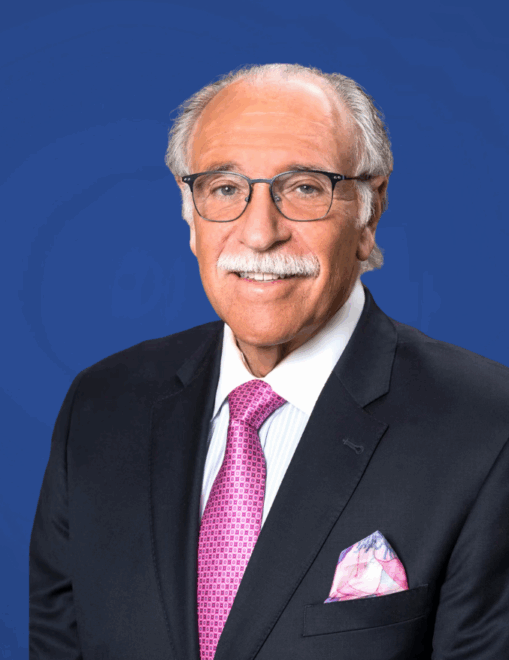
Abrams Fensterman delivers direct partner involvement, deep commercial-leasing experience on both landlord and tenant sides, and the operational depth of a full-service firm. Mark J. Caruso, partner in the Brooklyn Metrotech office and the firm’s Real Estate practice leader, has been named to Best Lawyers in America from 2024 through 2026 and to the City & State New York 2025 Trailblazers in Building & Real Estate list.
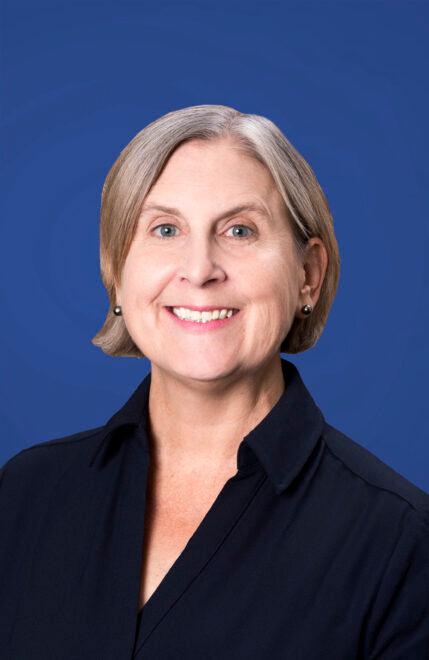
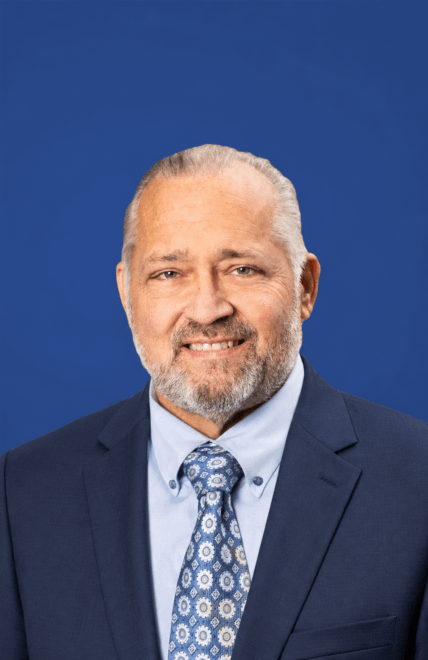
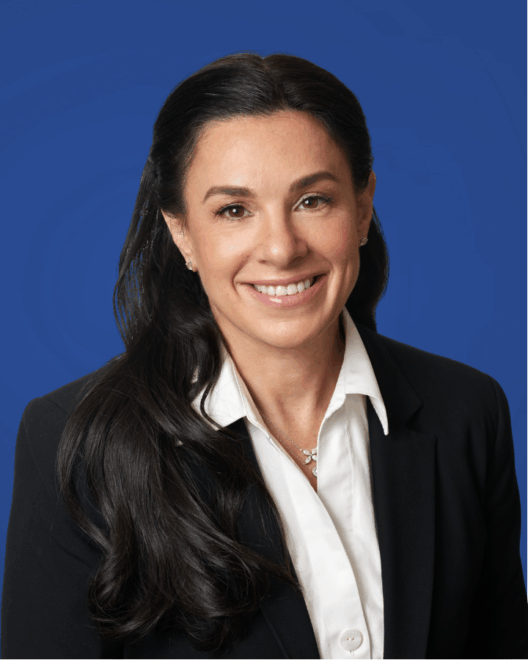
Partners Rachelle Rosenberg and Elliot Steinmetz lead the leasing group from the firm’s Lake Success office on Long Island, drawing on the litigation-informed approach they built at Rosenberg & Steinmetz PC. The leasing team is supported by partners and associates with significant real estate experience across the firm’s Long Island, Brooklyn, White Plains, Albany, and Rochester offices, and the firm’s Real Estate Law practice is recognized in the 2026 Best Law Firms in America rankings.
Because the firm also handles commercial real estate financing, real estate acquisitions and sales, and real estate and construction litigation under one roof, lease matters that touch a loan, an acquisition, or an active dispute can be coordinated internally without handing off to outside counsel.
These services are provided as part of Abrams Fensterman’s comprehensive Real Estate Law and Litigation practice, representing property owners, developers, investors, and commercial clients throughout New York.
Contact our commercial real estate leasing team
For further information about our real estate leasing practice, please contact our law firm on Long Island at 516-328-2300, in Brooklyn at 718-215-5300, White Plains at 914-607-7010, Rochester at 585-218-9999 or Albany at 518-535-9477 to schedule an initial consultation.
Frequently Asked Questions
Does Abrams Fensterman represent both landlords and tenants in commercial leases? Yes. The firm represents commercial landlords, developers, owner-operators, and institutional owners, and also represents commercial tenants. Each engagement is staffed and positioned to the side the firm represents in that matter, with appropriate conflict screening at intake.
What property types does the leasing practice handle? Office, retail and shopping center, industrial and warehouse, restaurant and food service, medical and professional office, and mixed-use commercial properties across New York State.
Do you handle commercial landlord-tenant litigation as well? The firm’s commercial landlord-tenant litigation work, including non-payment and holdover proceedings, sits in the Real Estate and Construction Litigation practice. The leasing team uses that litigation experience to inform drafting, and coordinates internally when a leasing client also needs litigation counsel.
What is a good guy guaranty and when is it used? A good guy guaranty is a limited personal guaranty common in New York commercial leases that caps the guarantor’s exposure at the obligations accruing while the tenant remains in possession, releasing the guarantor for post-surrender amounts if defined surrender conditions are met. It is most often used in retail and small to mid-size office leases.
Where are your real estate attorneys located? The firm’s commercial leasing attorneys work from five New York offices: Lake Success on Long Island, Brooklyn Metrotech, White Plains, Albany, and Rochester. Practice leader Mark J. Caruso is based in Brooklyn Metrotech; leasing co-leaders Rachelle Rosenberg and Elliot Steinmetz are based on Long Island.