
 |
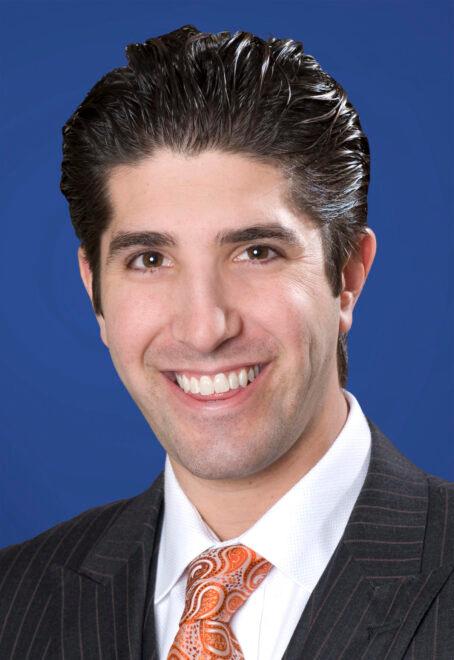
Published April 24, 2025 Author: Jordan Fensterman, Esq. Executive Partner and Director of the OPMC & OPD Defense Practice at Abrams Fensterman, LLP. 516-368-9430 |
How Does Abrams Fensterman Coordinate Criminal, Malpractice and OPMC Defense?
When a physician faces criminal charges, a medical malpractice claim, and an OPMC investigation, a delay or careless statement in any one proceeding can undermine the others. Abrams Fensterman brings the appropriate criminal defense, professional license defense, healthcare fraud, and medical malpractice attorneys into the same matter from the outset, coordinating strategy so the physician has one integrated defense rather than several disconnected cases.
Two or Three Proceedings, One Coordinated File
A criminal allegation involving a physician can create immediate professional licensing exposure, even before the criminal case is resolved. The same conduct may also result in a malpractice claim, hospital credentialing action, payer review, or healthcare fraud investigation.
The issue is not simply whether these proceedings are connected. The critical question is how the defense team prevents a statement, filing, negotiation position, or strategic decision in one matter from being used against the physician in another.
OPMC Exposure When a Physician Is Charged or Convicted of a Crime
A criminal charge does not automatically constitute professional misconduct, but it can trigger an OPMC investigation.
A conviction is more serious because it automatically provides grounds for a professional misconduct case under New York Education Law § 6530(9)(a).
OPMC Defense for Physicians Charged with a Crime in NY: Explains how pending charges can affect a medical license, including summary-suspension risks and the charges most likely to draw scrutiny.
OPMC Defense for Physicians Convicted of a Crime in NY: Explains the expedited OPMC Referral Proceeding, where the focus shifts from guilt to protecting the physician’s license.
Who Is on the Coordinated Defense Team?
OPMC & Professional License Defense
Jordan Fensterman, Executive Partner and Director of the firm’s OPMC & OPD Defense Practice, leads licensing strategy through every stage of the process, from the first OPMC letter, subpoena, or interview request through a hearing before the Board for Professional Medical Conduct.
Michael Bass, Partner and head of the firm’s Albany and Rochester offices, brings nearly 13 years of prior experience as an attorney with the New York State Department of Health.
Criminal & White Collar Defense
The firm’s Criminal Defense, White Collar Defense & Government Investigations team includes Partner Douglas K. Stern and Of Counsel Hon. Jeffrey A. Cohen, a retired Justice of the Appellate Division.
Healthcare Fraud & Regulatory Defense
When the facts involve healthcare billing, reimbursement, audits, controlled substances, government enforcement, or regulatory exposure, Alyssa A. Friedman, Partner and Chair of the firm’s Healthcare Fraud & Regulatory Defense Practice, coordinates with the criminal and OPMC teams so the same facts are addressed consistently across every proceeding.
Medical Malpractice Defense
When a malpractice claim arises from the same underlying conduct, Partners David Verschell, Jennifer Higgins, and Melissa Goldberg work with the criminal and licensing teams as part of the firm’s coordinated defense approach.
What Does Coordinated Representation Actually Look Like?
Because these attorneys work within one firm, coordination is not limited to a phone call between outside lawyers after a conflict has already developed.
A single point of contact helps manage the criminal, OPMC, regulatory, and malpractice files so the physician explains the underlying facts once to a team that can evaluate all potential consequences together.
Strategy in the criminal case—including what is said during an interview, negotiation, court filing, or plea discussion—is developed with full awareness of how the same statement may later be interpreted by OPMC, a malpractice plaintiff, a hospital, an insurer, or another government agency. The same coordination applies in reverse to every response made in the licensing and civil matters.
Division of Responsibility
Criminal Defense Team
- Arraignment and bail
- Discovery and evidence review
- Government interviews and investigations
- Plea negotiations
- Pretrial motions
- Trial strategy and defense
OPMC Defense Team
- Response to OPMC letters and subpoenas
- Preparation for interviews and investigative examinations
- Summary suspension defense
- License-preservation strategy
- Negotiation of potential resolutions
- BPMC hearing preparation and defense
Medical Malpractice Defense Team
- Early claim and exposure assessment
- Medical record and expert review
- Discovery and deposition preparation
- Motion practice
- Settlement strategy
- Trial defense
Shared Across Every Defense Team
- Maintaining a consistent and defensible factual narrative
- Determining what information should be disclosed, when, and in which proceeding
- Avoiding statements that may unintentionally create exposure in another matter
- Coordinating expert review and document strategy
- Protecting the physician’s medical license and professional reputation
- Evaluating hospital, credentialing, payer, employment, and reporting consequences
Results Where Coordinated Strategy Mattered
Abrams Fensterman’s OPMC defense team has secured complete dismissals, full exonerations, and substantially reduced sanctions in serious professional misconduct matters. You can review examples on the firm’s Proven OPMC Defense Results page.
Jordan Fensterman defeated 33 of 40 specifications brought against a physician accused of fraudulent billing and false reporting.
A hearing committee dismissed every specification against a psychiatrist facing allegations that included gross negligence and improper prescribing.
Both matters involved allegations with potential consequences beyond the OPMC hearing room—the type of fact pattern in which alignment among licensing, criminal, regulatory, and civil defense attorneys is particularly important.
Why Should Both Teams Be Engaged From the Start?
The earlier the appropriate defense attorneys become involved, the more options may remain available across every proceeding. Statements made before legal counsel is coordinated can be difficult—or impossible—to correct later.
When contacting the firm, mention that the matter involves a criminal investigation or charge, potential OPMC medical license exposure, and any related malpractice or hospital proceeding. This allows the firm’s intake team to route the matter to all appropriate attorneys at once rather than involving one team first and another only after a new issue arises.
Frequently Asked Questions
Will I have to tell my story more than once?
The firm seeks to minimize unnecessary repetition. A primary point of contact coordinates the involved teams so the underlying facts are gathered efficiently, evaluated together, and presented consistently across the criminal, OPMC, regulatory, and malpractice matters.
Does Abrams Fensterman bill separately for the criminal, malpractice, and OPMC matters?
Engagement terms and billing arrangements are discussed during the consultation and depend on the scope, complexity, and stage of each proceeding.
Who will be my primary point of contact?
The primary contact is established at intake based on the nature and stage of the matters. The relevant criminal defense, OPMC, healthcare fraud, and malpractice attorneys remain involved as needed throughout the representation.
Can a criminal case affect my medical license before there is a conviction?
Yes. OPMC may begin an investigation based on the underlying conduct before the criminal matter is resolved. For that reason, the potential licensing consequences should be evaluated immediately rather than only after the criminal case ends.
Ready to Navigate the OPMC Landscape? Connect With Us
When facing an OPMC investigation, criminal allegation, malpractice claim, healthcare fraud inquiry, or overlapping professional licensing matter, early coordination can be critical. Abrams Fensterman has five offices serving physicians throughout New York City, Long Island, Brooklyn, the Bronx, Queens, Staten Island, Nassau County, Suffolk County, White Plains, Rochester, Albany, and across New York State.
The appropriate defense strategy depends on the allegations, the proceedings involved, and the stage of each matter.
Synergies in Healthcare Defense Representation
Abrams Fensterman’s Jordan Fensterman and Alyssa Friedman discuss how our
Healthcare Fraud Defense Group and Professional License Defense Practice work collaboratively to provide a strategic, multi-faceted approach for healthcare providers facing subpoenas, OPMC investigations, OPD investigations, government inquiries, and fraud allegations—helping protect both their professional licenses and their livelihoods.