
 |
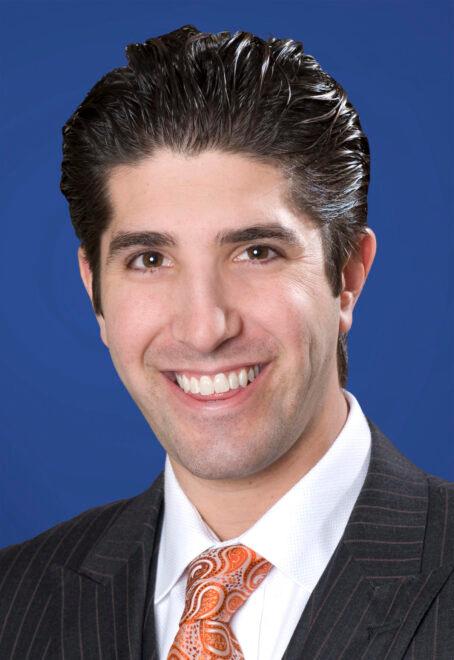
Published April 23, 2026, Updated October 8, 2026 Author: Raju Sundaran Partner, Co-Chair of Immigration & Nationality Practice at Abrams Fensterman, LLP., Brooklyn 718-215-5300 |
Immigration Services in New York
Abrams Fensterman provides trusted immigration representation for individuals, families, and businesses throughout New York. Our established Immigration and Nationality Law Practice delivers strategic guidance on visas, green cards, citizenship, compliance, and more with over 25 years of combined attorney experience.
Immigration matters require careful navigation of federal rules and evolving policies. At Abrams Fensterman, we combine deep legal knowledge with personalized service to help clients achieve successful outcomes across New York.
New York immigration lawyers represent individuals, families, and businesses across every major federal immigration pathway, including family- and employment-based visas, permanent residence, U.S. citizenship, asylum, humanitarian protection, employer compliance, and removal defense in immigration court. From five offices across New York, Abrams Fensterman helps clients evaluate available options, prepare and file petitions, respond to government inquiries, prepare for interviews, and address complications that may affect immigration status.
Recent Immigration Update
Supreme Court Upholds Birthright Citizenship
In a landmark decision, on June 30, 2026, the U.S. Supreme Court held that President Trump’s Executive Order restricting birthright citizenship is unconstitutional, reaffirming that the Fourteenth Amendment guarantees U.S. citizenship to nearly all persons born in the United States, regardless of their parents’ immigration status. The Court relied on the text of the Citizenship Clause and longstanding precedent, including the 1898 decision in United States v. Wong Kim Ark, concluding that birthright citizenship cannot be narrowed by executive order. The ruling reinforces the Fourteenth Amendment protections and carries significant implications for individuals, families, employers, and immigration law nationwide.
Understanding U.S. Immigration Options
U.S. immigration includes multiple pathways to lawful status and citizenship. Our attorneys handle the full spectrum of cases with a focus on practical solutions tailored to New York residents and businesses. Key options we support include family sponsorship, employment based visas, investment programs, and humanitarian relief.
Core immigration services include:
- Family-based green cards through Form I-130 petitions for eligible spouses, children, parents, and siblings;
- Employment-based petitions involving H-1B, H-2B, L-1, O-1, EB-1, EB-2, and EB-3 classifications;
- Investment and extraordinary-ability matters, including EB-5, EB-1A, and O-1 petitions;
- Asylum, withholding of removal, Convention Against Torture protection, and Temporary Protected Status;
- Deportation defense, cancellation of removal, bond proceedings, and other relief in immigration court;
- Naturalization, citizenship, and related interview preparation; and
- Employer compliance involving Form I-9, Labor Condition Applications, public access files, and FDNS site visits.
Family Based Immigration
U.S. citizens and lawful permanent residents can sponsor spouses, children, parents, and siblings. This remains one of the most common routes for New York families. Abrams Fensterman guides clients through petition filing, consular processing, and adjustment of status. Explore our dedicated family immigration spoke page for detailed steps and timelines.
Family-based cases generally begin with a Form I-130 petition and proceed through consular processing abroad or adjustment of status in the United States. Marriage-based filings require careful documentation demonstrating that the relationship is genuine, and applicants should be prepared for government requests for evidence and a detailed interview when required.
Immigration issues may also arise in cases involving domestic violence or qualifying criminal activity. Depending on the facts, certain individuals may qualify to pursue relief independently through a Violence Against Women Act self-petition or a U visa. These matters require careful coordination between immigration strategy and any related matrimonial, family-law, or law-enforcement proceedings.
Employment and Business Immigration
Professionals, executives, companies, and both skilled and unskilled workers benefit from H-1B/H-2B, L-1, EB-1, EB-2, and EB-3 visas. Our team assists employers with labor certifications and compliance requirements. We serve New York businesses in healthcare, technology, finance, and other sectors.
Employment-based immigration includes temporary work authorization and permanent-residence sponsorship. Depending on the position and the worker’s qualifications, available options may include H-1B specialty-occupation petitions, H-2B temporary nonagricultural employment, L-1 intracompany transfers, O-1 extraordinary-ability petitions, PERM labor certification, and EB-1 through EB-3 immigrant classifications. Abrams Fensterman works with employers and employees to assess eligibility, document the position, manage filing deadlines, and address requests for evidence.
Investment and Extraordinary Ability Immigration
High net worth individuals and those with extraordinary ability in sciences, arts, sports, or business have targeted pathways. Abrams Fensterman provides comprehensive support for EB 5 investments and EB 1 petitions. Our attorneys also work directly with U.S. embassies and consulates worldwide.
The EB-5 program provides a potential permanent-residence pathway for qualifying investors who make the required investment in a U.S. commercial enterprise and satisfy applicable job-creation requirements. Separate classifications—including EB-1A and O-1—may be available to individuals who can demonstrate sustained national or international recognition through evidence meeting the governing regulatory criteria.
Humanitarian Protection Programs
We represent individuals seeking asylum, withholding of removal, and Temporary Protected Status. Our compassionate approach protects those facing persecution or unsafe conditions in their home countries. This area draws on our attorneys’ strong background in refugee assistance and public interest work.
Humanitarian protection may also include relief under the Convention Against Torture. An affirmative asylum applicant generally must file Form I-589 within one year after arriving in the United States unless an exception applies. When a person is already in removal proceedings, asylum and related protection may be pursued defensively before an immigration judge.
Naturalization and Citizenship
After meeting residency requirements, clients can pursue full U.S. citizenship. Abrams Fensterman prepares applicants for Form N-400 filing, interviews, and the naturalization process with proven success rates. Our support includes civics test preparation and document organization.
Lawful permanent residents generally may apply for naturalization after five years of permanent residence or after three years when they meet the requirements applicable to certain spouses of U.S. citizens. For Form N-400 applications filed on or after October 20, 2025, USCIS applies the 2025 Civics Test. The test draws from a pool of 128 questions; an officer asks up to 20 questions, and an applicant must answer 12 correctly to pass.
Some older permanent residents may qualify for exceptions to the English-language requirement. The 50/20 exception generally applies to applicants age 50 or older who have held permanent-resident status for at least 20 years, while the 55/15 exception generally applies to applicants age 55 or older with at least 15 years of permanent residence. Applicants with qualifying physical, developmental, or mental impairments may seek an exception to the English and civics requirements through Form N-648 when properly supported by a medical professional.
Deportation Defense and Removal Proceedings
Facing ICE action or immigration court requires immediate, skilled representation. We defend clients and pursue all available relief options, including cancellation of removal and asylum in proceedings. Quick response is essential.
Depending on the circumstances, available defenses or forms of relief may include adjustment of status, cancellation of removal, asylum, withholding of removal, Convention Against Torture protection, bond proceedings, waivers, or prosecutorial discretion. Individuals generally have the right to remain silent, the right to retain counsel at their own expense, and the right to a hearing before an immigration judge when the law provides one.
What to Do if ICE Comes to Your Home or Workplace
Individuals have the right to remain silent and to speak with an attorney before signing documents. Entry into a private residence generally requires consent or a judicial warrant signed by a judge; an administrative immigration warrant does not by itself authorize entry into a private home. Employers and individuals should obtain legal advice promptly when responding to an ICE visit, government request, notice to appear, detention, or other enforcement action.
Immigration Compliance for Businesses
Employers must maintain proper I 9 verification, LCA compliance, and readiness for FDNS site visits. Abrams Fensterman delivers strategic guidance to healthcare systems, hospitals, and corporations across New York to avoid costly penalties. Our full service structure allows seamless coordination with employment and corporate teams.
Business immigration compliance also includes E-Verify participation when required, Labor Condition Application posting, public-access-file maintenance, internal Form I-9 audits, and responses to government inspections. Compliance failures can expose employers to civil penalties and other consequences, making proactive review especially important for organizations with large, mobile, or highly regulated workforces.
Integrated Cross-Practice Representation
Immigration matters frequently intersect with employment, family, criminal, civil-rights, elder-law, corporate, and transportation concerns. As a full-service firm, Abrams Fensterman’s immigration attorneys can coordinate directly with lawyers across related practices when a client’s immigration status is only one part of a broader legal matter.
Labor and Employment Coordination
Labor and employment law intersects with immigration through employer sponsorship, PERM labor certification, H-1B and H-2B employment, J-1 and J-2 exchange-visitor matters, workplace disputes affecting immigration status, and T visas for qualifying victims of trafficking. Coordinated advice helps employers and workers address both immigration requirements and the underlying employment relationship.
Matrimonial and Family Law Coordination
Divorce timing, custody, support, and domestic-abuse allegations may carry immigration consequences. Survivors of abuse by a U.S. citizen or lawful-permanent-resident spouse may qualify for VAWA relief, while victims of certain qualifying crimes may be eligible for U nonimmigrant status when the required law-enforcement certification and other criteria are satisfied.
Criminal Defense Coordination
An arrest, plea, or conviction can affect admissibility, removability, eligibility for immigration benefits, and naturalization. Immigration consequences should be evaluated before a plea is entered whenever possible. In appropriate matters, immigration counsel can coordinate with criminal-defense attorneys concerning plea strategy, post-conviction relief, removal exposure, and government proceedings involving a client’s status.
Civil Rights Coordination
Noncitizens retain constitutional protections, including due-process rights and, depending on the circumstances, First Amendment protections. Civil-rights and federal-court issues may arise alongside immigration proceedings when a person challenges unlawful or prolonged detention, an unreasonable bond determination, retaliatory government action, or another alleged violation of protected rights.
Elder Law Coordination
Long-term permanent residents pursuing citizenship later in life may need advice concerning the 50/20 and 55/15 English-language exceptions, special consideration for certain older applicants, or Form N-648 medical-disability exceptions. Coordinated planning can help older adults and their families address immigration questions alongside related long-term planning needs.
Transportation Law Coordination
Commercial drivers, owner-operators, and transportation-business owners may encounter immigration issues involving employer sponsorship, permanent residence, citizenship, driving history, licensing, and regulatory records. Coordinated representation can help identify whether transportation-related facts may affect an immigration filing or interview.
Immigration Help Serving New York
Based in Lake Success, New York, Abrams Fensterman serves clients throughout New York State, including the New York metropolitan area, Long Island, the Hudson Valley, Western New York, and the Capital Region. We understand the unique immigration needs of New York families, individuals, employers, and organizations and help them pursue effective solutions tailored to federal immigration requirements.
The firm serves clients through offices in Lake Success, Brooklyn MetroTech, White Plains, Rochester, and Albany and coordinates with U.S. embassies and consulates for clients and family members abroad.
Why Choose Abrams Fensterman for Immigration
Our Immigration and Nationality Law Practice was established to meet the needs of both businesses and individuals. With over 25 years of combined experience our attorneys bring practical and theoretical expertise across all major immigration categories. As a full service firm we integrate immigration solutions with related legal needs such as corporate transactions, real estate, and compliance. We emphasize clear communication and results focused strategies. Bilingual capabilities including Russian language support further enhance accessibility for diverse New York clients.
The firm’s Immigration and Nationality Law Practice is co-chaired by Executive Partner Ethan Gerber and Partner Raju Sundaran, a former Senior Counsel at the New York City Law Department. Together, they oversee strategy across the firm’s Immigration and Nationality Law Practice and represent individuals, families, employers, and businesses in immigration, litigation, and regulatory matters.
Protect Yourself from Immigration Scams
Only licensed attorneys can provide legal advice. Avoid consultants who promise guaranteed results or quick fixes. Schedule a consultation with our qualified team at Abrams Fensterman for reliable guidance instead.
Department of Justice accredited representatives working through recognized organizations may also be authorized to provide certain immigration services. Notarios, document preparers, and unlicensed consultants cannot represent clients merely because they prepare forms. Warning signs include guaranteed approvals, promises of special access or expedited inside processing, refusal to provide a written engagement agreement, or requests to sign blank or inaccurate forms.
Recent Developments in U.S. Immigration
Policies continue to evolve in 2026 and beyond. Our team monitors changes affecting employment visas, humanitarian programs, and enforcement priorities. We provide timely updates to clients and maintain resources on our site.
Among the developments requiring close attention are implementation of the 2025 Civics Test, increased screening and vetting in certain visa classifications, changes affecting H-1B registration and petition requirements, evolving employment-authorization rules, and country-specific entry or visa restrictions. Because implementation dates, exceptions, and court challenges can change quickly, applicants and employers should confirm the current rule that applies before filing or making employment decisions.
For the current H-1B cap process, USCIS uses a $215 registration fee. Separately, the federal government has continued a restriction affecting certain H-1B workers outside the United States under which covered petitions must be accompanied or supplemented by a $100,000 payment, subject to stated exceptions and national-interest relief. Because the measure’s application depends on filing date, the beneficiary’s location, the type of petition, and any applicable exception, employers should obtain current, case-specific advice before filing.
Frequently Asked Questions
What does an immigration lawyer do in New York?
An immigration lawyer evaluates available pathways, prepares and files petitions, advises clients concerning eligibility and supporting evidence, represents clients at USCIS interviews and in immigration court, and assists with government inquiries, compliance, and deportation defense. Only licensed attorneys and authorized Department of Justice accredited representatives may provide immigration legal services within the scope of their authority.
What are the main types of immigration pathways available?
The primary categories include family based, employment based, investment, humanitarian protection such as asylum, and naturalization. Abrams Fensterman evaluates your specific situation to identify the strongest option. See our spoke pages for details on each category.
How long does the immigration process typically take in New York?
Processing times vary widely from several months for some visas to years for others depending on category and current backlogs. Our team provides case specific timelines during consultation. Check our processing times spoke page for the latest USCIS updates.
Do I need an immigration attorney for my case?
While some simple filings can be done without representation complex cases especially those involving interviews, denials, or deportation strongly benefit from experienced counsel. Only licensed attorneys can provide legal advice. Contact Abrams Fensterman to discuss your needs.
What documents are commonly required for most immigration applications?
Core documents often include passports, birth certificates, marriage records, financial evidence, and prior immigration paperwork. Requirements change based on the specific petition. Our attorneys review and organize your documents for completeness.
How can I check the status of my USCIS case?
You can check online through the USCIS case status tool using your receipt number. We also monitor cases for clients and provide proactive updates. Learn more on our case management spoke page.
What should I expect during a marriage based green card interview?
Officers ask detailed questions about your relationship history, daily life, finances, and shared plans to confirm the marriage is genuine. Thorough preparation increases success rates. Review our marriage green card spoke page for sample questions and tips.
Can I apply for naturalization and what is the new civics test like?
Lawful permanent residents generally qualify after five years (or three years if married to a U.S. citizen and all applicable requirements are met). For Form N-400 applications filed on or after October 20, 2025, the 2025 Civics Test draws from a pool of 128 questions. An officer asks up to 20 questions, and an applicant must answer 12 correctly to pass. We offer targeted preparation support.
What are my rights if facing deportation or ICE enforcement?
You have the right to remain silent, request an attorney, and receive a hearing before an immigration judge when provided by law. Do not sign documents without legal advice. Our deportation defense spoke page outlines immediate steps and protections.
What rights do I have if ICE comes to my home or workplace?
You have the right to remain silent and to speak with an attorney before signing any document. ICE generally cannot enter a private residence without consent or a judicial warrant signed by a judge. An ICE administrative warrant does not by itself authorize entry into a private home. Workplace rights and employer obligations depend on the circumstances, so legal advice should be obtained promptly.
Can a domestic violence victim apply for lawful immigration status?
Potentially. VAWA self-petitions may allow certain abused spouses, children, and parents of U.S. citizens or lawful permanent residents to seek relief without the abuser’s participation. U visas may provide protection to victims of qualifying crimes who meet the statutory requirements, including helpfulness to law enforcement when required.
Does a criminal conviction affect immigration status?
It can. Certain convictions may affect admissibility, removability, eligibility for relief, or naturalization. The consequences depend on the precise statute, record of conviction, sentence, immigration history, and benefit sought. Immigration consequences should be evaluated before a criminal plea whenever possible.
Are there citizenship-test exceptions for older permanent residents?
Yes. The 50/20 exception generally applies to applicants age 50 or older who have been permanent residents for at least 20 years, and the 55/15 exception generally applies to applicants age 55 or older with at least 15 years as permanent residents. Form N-648 may provide an exception to the English and civics requirements for applicants with qualifying disabilities.
How do I avoid immigration scams in Long Island?
Only hire licensed attorneys or authorized DOJ accredited representatives. Beware of notarios promising guaranteed results or charging excessive fees. Abrams Fensterman provides transparent fixed fee and hourly options.
Does Abrams Fensterman serve businesses with immigration compliance?
Yes. We help healthcare systems, hospitals, and other employers with I 9 audits, LCA compliance, and FDNS readiness. Our full service firm coordinates immigration with corporate and employment law needs.
Contact Our Law Firm
Abrams Fensterman is committed to helping you achieve your immigration goals with confidence and clarity. Whether you need assistance with a family petition, business visa strategy, or deportation defense, our team stands ready to serve. For a confidential consultation, please contact our law firm today.
- Long Island: 516-328-2300
- Brooklyn: 718-215-5300
- White Plains: 914-607-7010
- Rochester: 585-218-9999
- Albany: 518-535-9477