


NYC Reopens Window for Sexual Abuse Lawsuits: What Survivors Need to Know
A recent change in New York City law may allow certain survivors to bring civil claims they previously believed were too late to file.
If you experienced sexual abuse or gender-motivated violence in New York City, a recent amendment to the law may create a new opportunity to pursue accountability through the civil legal system — even if the abuse occurred years ago and you believed your legal options had expired.
For many survivors, time, trauma, fear, shame, or institutional pressure delayed the ability to come forward. The law is now beginning to reflect that reality. In certain cases, survivors may now be able to seek justice against not only the individual who caused harm, but also the employers, institutions, organizations, or entities that enabled, ignored, or failed to prevent it.
Find Out If You May Still Have a Claim
Confidential. No obligation. Speak privately with an attorney about your legal options.
Even If You Thought It Was Too Late, You May Still Have Legal Options
The deadlines for filing civil claims involving sexual abuse in New York have changed significantly over the past several years. Laws such as the Child Victims Act, the Adult Survivors Act, and now a recent amendment to the New York City Gender-Motivated Violence Act, reflect a growing recognition that survivors often do not come forward on a traditional legal timeline.
This new amendment is especially important because it may provide a temporary pathway for certain survivors to file civil claims that would otherwise have been barred by statute of limitations rules. That means some individuals who were previously shut out of the legal system may now have another opportunity to seek accountability.
If you were unable to file a claim before a prior legal deadline — or if you have always believed your time to act had already passed — it may still be worth exploring whether a legal path remains available.
New York Sexual Abuse Lawyer
Survivors across New York often carry the impact of sexual abuse for years before ever considering whether legal action is possible. Coming forward is never easy. For many people, the barriers are not only emotional — they are also practical, cultural, and institutional. Survivors may fear retaliation, disbelief, exposure, professional harm, or reopening painful experiences they have spent years trying to survive.
But civil law can offer more than compensation. It can also provide a mechanism for truth, accountability, and institutional scrutiny.
Whether the abuse occurred in a workplace, school, church, foster care setting, healthcare facility, youth organization, municipal agency, or other institutional environment, New York civil law may provide a path toward holding both perpetrators and enabling institutions responsible.
At Abrams Fensterman LLP, we represent individuals in serious and sensitive civil matters involving:
- sexual abuse
- workplace misconduct
- abuse of authority
- retaliation
- negligence
- institutional wrongdoing
These cases are often complex. They may involve failures of supervision, ignored complaints, internal cover-ups, misuse of power, or environments in which vulnerable individuals were not protected.
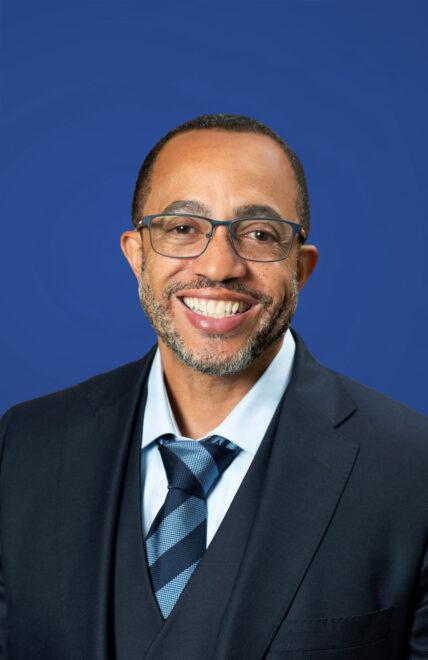
Partner John C. Luke Jr. helps survivors and victims evaluate whether a civil claim may still be available and what legal options may exist under current law.
What the New NYC Amendment Means for Survivors
A recent amendment to New York City’s Gender-Motivated Violence Act (GMVA) has reopened the legal window for certain civil claims involving sexual abuse and other gender-motivated violence. This matters because, for many survivors, the original time to file a claim had already passed long before they were ever in a position to take legal action.
Under this amendment, certain survivors may now be able to pursue civil lawsuits involving conduct that occurred before 2022, depending on the facts of the case and whether the abuse or violence falls within the legal framework of the law.
This amendment is significant for several reasons:
- It recognizes that survivors often need years — sometimes decades — before they are able to come forward.
- It creates a temporary revival window that may reopen claims once thought lost.
- It may allow legal claims not only against individual perpetrators, but also against institutions or entities whose failures allowed the abuse to occur or continue.
This is not a broad reopening of every possible claim, and not every case will qualify. But for some survivors, it may represent a meaningful and time-sensitive opportunity to finally seek justice.
Why This Law Matters
For decades, many survivors were effectively denied access to justice — not because the abuse did not happen, but because the law often failed to account for the realities of trauma.
Survivors of sexual abuse frequently delay disclosure for deeply understandable reasons. These may include:
- fear
- confusion
- manipulation
- shame
- abuse of authority
- institutional pressure
In many cases, survivors are not emotionally, financially, or psychologically prepared to speak until much later in life.
This is one reason laws like this matter so deeply.
They recognize that justice does not always unfold on a neat schedule. They acknowledge that institutions often had more information, more power, and more opportunity to prevent harm than the survivor ever did.
And importantly, they serve a broader public purpose.
When survivors are able to pursue civil claims, it can help:
- expose patterns of misconduct
- reveal institutional failures or cover-ups
- force organizations to answer for what they allowed
- deter future abuse
- protect others from similar harm
Civil litigation is not only about compensation. In many cases, it is also about truth, accountability, and prevention.
Understanding the New Law
A recent change in the law can be difficult to interpret — especially when it involves statutes of limitations, institutional liability, and civil claims tied to abuse that occurred years ago.
Hear directly from the Director of our Employment & Labor Practice as he explains what this amendment may mean for survivors, why timing matters, and how certain individuals may now have a renewed opportunity to explore their rights.
Types of Cases We Handle

Abuse involving clergy members or religious organizations that failed to prevent or concealed misconduct.

Abuse involving caregivers responsible for the safety and supervision of young children.
Exploitation or abuse by therapists, counselors, or staff in positions of trust and authority.

Public and private schools where staff, faculty, or administrators engaged in or ignored abusive conduct.

Coaches, counselors, or program leaders who engaged in misconduct, or organizations that failed to implement safeguards.

Campus-related sexual harassment, assault, or institutional failures to properly investigate and respond to complaints.
Situations where children were placed in unsafe environments or exposed to abusive caretakers.

Sexual abuse at camps can occur in environments where children and families are meant to feel safe. If abuse occurred at a summer camp, overnight camp, or youth program, you may have legal rights and options worth exploring.
Abuse involving medical professionals or staff, including cases involving vulnerable patients.
You May Still Have the Right to File a Claim
If the abuse occurred in New York City, involved sexual violence or other gender-motivated harm, and took place before 2022, you may still be eligible to pursue a civil claim under the recent amendment to New York City law.
This does not necessarily mean every case will qualify, and eligibility often depends on a number of factors — including:
- where the abuse occurred
- when it occurred
- the nature of the conduct
- who was involved
- whether an institution, employer, or other entity may also bear legal responsibility
Even if you believed the deadline had passed, or have never previously spoken with an attorney, it may still be worth having your situation evaluated.
Find out—confidentially—if you may still have a claim.
What Is Considered Sexual Abuse in New York?
Sexual abuse can include a wide range of non-consensual sexual acts or conduct involving force, coercion, exploitation, manipulation, intimidation, abuse of authority, or inability to legally consent.
In many cases, survivors are unsure whether what happened to them “counts” legally. That uncertainty is common — especially in situations involving power imbalance, grooming, professional authority, institutional settings, or conduct that occurred over time rather than in one isolated event.
Sexual abuse may occur in many different contexts, including:
- schools and educational settings
- religious institutions
- foster care or residential care environments
- healthcare or psychiatric facilities
- youth programs, camps, or extracurricular settings
- workplaces and professional environments
- public agencies or government institutions
In civil litigation, the legal analysis often goes beyond the abuse itself. Courts and attorneys also examine:
- the harm suffered by the survivor
- the long-term emotional, psychological, and economic impact
- whether an institution failed in its duty to supervise, protect, intervene, or respond appropriately
Civil claims are often about more than labels. They are about preventable harm, institutional responsibility, and accountability.
Who May Be Held Accountable in a Civil Lawsuit?
In many sexual abuse cases, the person who caused the harm is not the only legally relevant party. Civil lawsuits may also involve claims against the institutions, employers, organizations, or entities that created the conditions for abuse to occur — or failed to act when they had the opportunity to prevent it.
Depending on the facts, a claim may involve allegations against:
- individual perpetrators
- employers or supervisors
- hospitals or healthcare systems
- schools or educational institutions
- municipalities or public agencies
- religious organizations
- youth-serving entities or nonprofits
- private businesses or corporate employers
These cases often turn on whether those in positions of authority ignored warning signs, failed to supervise, covered up misconduct, mishandled complaints, or allowed continued access to vulnerable individuals.
That is why these matters require careful legal evaluation. The case may not only be about what happened — but also about who enabled it.
Why Survivors Trust John C. Luke Jr.
John C. Luke Jr. is a seasoned employment and civil litigation attorney with more than 15 years of experience representing individuals in serious, high-stakes legal matters involving workplace misconduct, abuse of power, retaliation, institutional wrongdoing, and complex civil claims.
These cases often require more than general litigation experience. They may involve sensitive facts, delayed reporting, employer liability, institutional failures, internal investigations, reputational pressure, and evolving legal standards. John’s background in complex employment and civil litigation makes him particularly well-positioned to evaluate matters where misconduct occurred within a workplace, healthcare system, public entity, corporate structure, or other institutional setting.
He has successfully litigated against and resolved claims involving:
- pharmaceutical companies
- hospitals and healthcare systems
- municipalities
- Fortune 500 corporations
- public and private entities
John has also secured substantial results for clients in complex litigation, including:
- $11 million settlement – Doria/Memon Discount Stores wage & hour litigation
- $7 million settlement – Vargas v. Call-A-Head class action
- $4 million settlement – Settlement for more than 200 police officers in Newark
For survivors trying to understand whether they may still have legal rights under this new law, John provides confidential, thoughtful, and experienced legal guidance.
Confidential. No obligation. Learn whether you may still have legal options.
What to Expect if You Reach Out
Many survivors hesitate to contact an attorney because they are unsure what the process will involve — or worry that reaching out means they are committing to a lawsuit.
It does not.
An initial consultation is simply an opportunity to discuss what happened, ask questions, and better understand whether a civil claim may still be available. That conversation is confidential, and there is no obligation to move forward.
If you contact our office, the process generally includes:
- Confidential Case Review — We listen carefully, ask thoughtful questions, and evaluate whether the law may still provide a path forward.
- Preliminary Legal Assessment — We assess the timing, facts, institutional involvement, and legal theories that may apply to your situation.
- Strategy Discussion — If a claim may be available, we explain your options and what pursuing a civil case could involve.
- Next Steps — Only if You Choose — You remain in control of whether and how to proceed.
For many survivors, simply understanding whether rights still exist can be an important first step.
Frequently Asked Questions
What does the new NYC law mean for survivors of sexual abuse?
A recent amendment to New York City law may allow certain survivors of sexual abuse or gender-motivated violence to bring civil claims that were previously time-barred. For some individuals, this creates a renewed opportunity to seek accountability even if the abuse occurred years ago.
Can I still sue if the abuse happened years ago?
Possibly. Some survivors may still be able to bring a civil lawsuit depending on where the abuse occurred, when it happened, and whether a revival law or other legal theory applies.
Can I sue an institution, employer, or organization?
In some cases, yes. Civil claims may be brought not only against an individual perpetrator, but also against an institution or entity whose negligence, failures, or inaction enabled the abuse.
Do I have to know for sure that I qualify before contacting a lawyer?
No. Many survivors are uncertain whether what happened qualifies legally, whether enough time has passed, or whether an institution can be held responsible. A confidential consultation can help answer those questions.
What compensation may be available in a civil sexual abuse lawsuit?
Depending on the facts, survivors may be able to pursue damages for emotional distress, counseling or treatment, lost opportunities, pain and suffering, and in some cases punitive damages.
You Do Not Have to Navigate This Alone
If you believe you may still have a claim under this new law, speaking with an attorney now can help you understand your rights and preserve your legal options before this window closes.
For many survivors, the hardest part is simply taking the first step. That step does not need to involve immediate litigation. It can simply mean getting clear, confidential answers from a lawyer who understands the legal and institutional complexity these cases often involve.
Time matters. Contact John C. Luke Jr. today for a confidential review of your situation and your potential legal options.
This legal window is temporary, and taking action now may be critical to protecting your right to pursue a claim.
Find Out If You May Still Have a Claim
Confidential. No obligation. Speak privately with an attorney about your legal options.
Why Survivors Trust John C. Luke Jr.
 John C. Luke Jr. is a seasoned employment law attorney with over 15 years of litigation experience representing victims of sexual abuse and employees and class actions in complex workplace disputes. His work includes successful litigations and settlements for victims of sexual abuse against pharmaceuticals, hospitals, municipalities, Fortune 500 companies, and private and public entities.
Notable victories: $11 million settlement – Doria/Memon Discount Stores wage & hour litigation $7 million settlement – Vargas v. Call-A-Head class action $4 million settlement for 200+ police officers in Newark wage/hour litigation.