
 |
Published April 16, 2026 Reviewed by Jordan Fensterman, Esq. Executive Partner and Director of the OPMC & OPD Defense Practice at Abrams Fensterman, LLP. 516-368-9430 |
After recent Newsday investigations, lawmakers introduced legislation to overhaul New York’s physician discipline process. Intended to enhance speed and accountability, the proposals may instead further strain the system and diminish the clinical expertise needed for fair, accurate decisions. As one of New York’s most experienced OPMC defense attorneys, Jordan Fensterman offers the following analysis for healthcare providers, medical groups, and institutions seeking clarity on what these reforms would mean in practice.
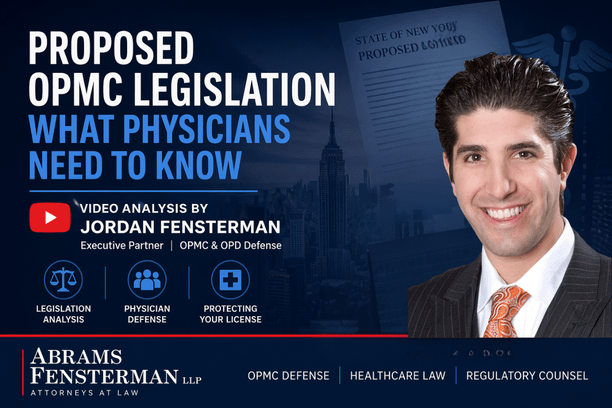
WATCH: Jordan Fensterman on the Impact of the Proposed OPMC Legislation
Background: Why the Legislation Emerged
The Newsday series highlighted longstanding concerns regarding delays, transparency, and case outcomes in the state’s physician-oversight system, prompting lawmakers to propose aggressive structural reforms to the Office of Professional Medical Conduct (OPMC). Accountability in medicine is essential, and public confidence depends on a disciplinary system that is both effective and fair.
But meaningful reform must address the real structural deficits—not create new ones.
WATCH: OPMC Leadership Transition—What Dr. Lee’s Departure Signals
In this video, Jordan Fensterman discusses the implications of OPMC Chair Dr. Lee stepping down, and what this leadership change may mean for the future direction of physician discipline in New York. From institutional continuity to potential shifts in enforcement priorities, Jordan provides critical insight into how this transition could impact ongoing investigations and regulatory strategy.
What the Proposed Legislation Seeks to Change
The bills currently under discussion would implement several sweeping adjustments to OPMC operations, including:
- Mandatory revocation for certain criminal conduct
- Mandatory civil penalties of $10,000
- Shifting board composition toward non-physicians
These elements are presented neutrally here for context—they are real proposals with significant operational consequences for both physicians and the regulatory bodies charged with oversight.
Why the Proposed Changes Will Likely Reduce Speed, Fairness, and Accountability
- Mandatory penalties will increase contested hearings
- More non-physician board members will reduce clinical expertise
- The proposal does not address staffing shortages or case-flow problems
The result? A slower, less equitable process for both licensees and complainants.
What Real Reform Should Look Like: A Structural Roadmap
To enhance fairness, accountability, and efficiency, New York should adopt reforms that directly address operational deficiencies:
- Implement Defined Timelines
- Preserve or Increase Clinical Expertise on Hearing Panels
- Increase Staffing and Resources to Reduce Backlogs
Accountability requires due process. Due process requires structure.
Reform is necessary. But reform that ignores workflow, staffing, and procedural safeguards risks slowing the system further, undermining fairness, and eroding public trust. If the goal is truly speed, accountability, and equity, then structural timelines and adequate resources—not inflexible penalties and diminished clinical expertise—are the real solution.
Watch the full video series now to understand what these proposed changes could mean for your license—and your future.
For a deeper look at how these proposed reforms would function in practice, watch Jordan Fensterman’s video analysis breaking down the most consequential provisions under consideration. Each segment examines a specific rule—from licensing fraud to panel composition—and explains how these changes may impact physician discipline, due process, and real-world outcomes for healthcare professionals.
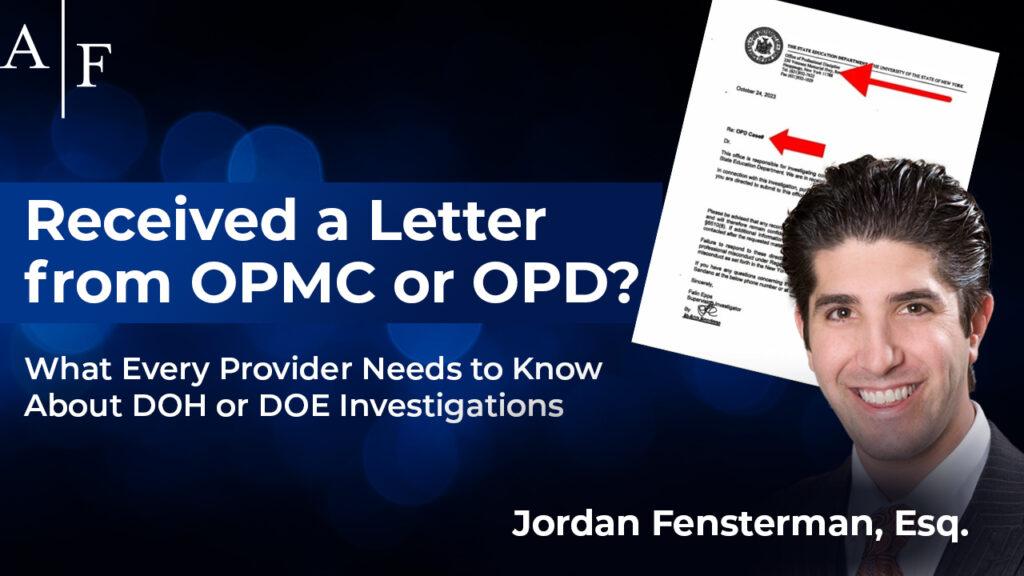
Contact Abrams Fensterman’s OPMC/OPD Defense Team
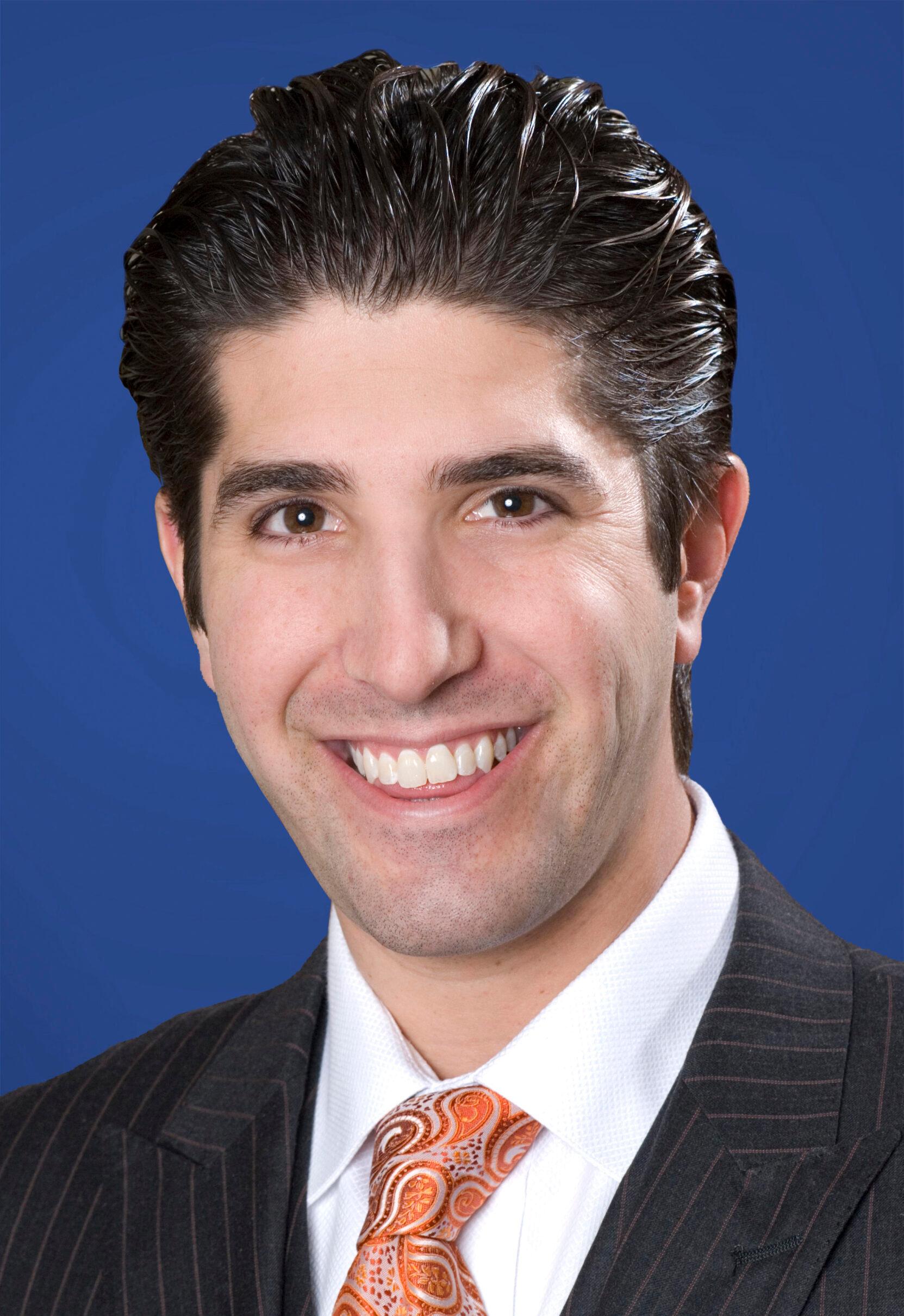 Jordan Fensterman is Director of the Abrams Fensterman’s OPMC & OPD Defense Practices. He counsels physicians, nurses, dentists, pharmacists, therapists, and other licensed professionals in investigations, inquiries, settlement negotiations, regulatory compliance, and administrative hearings. Jordan is widely regarded as one of New York’s leading attorneys for physician and professional license defense, representing more than 1,000 healthcare providers throughout his career. As Jordan is consistently recognized as a Super Lawyer, maintains an AV-Preeminent® peer rating, and serves as a trusted advisor in high-stakes regulatory matters across New York State.